Curating Masseria Moroseta
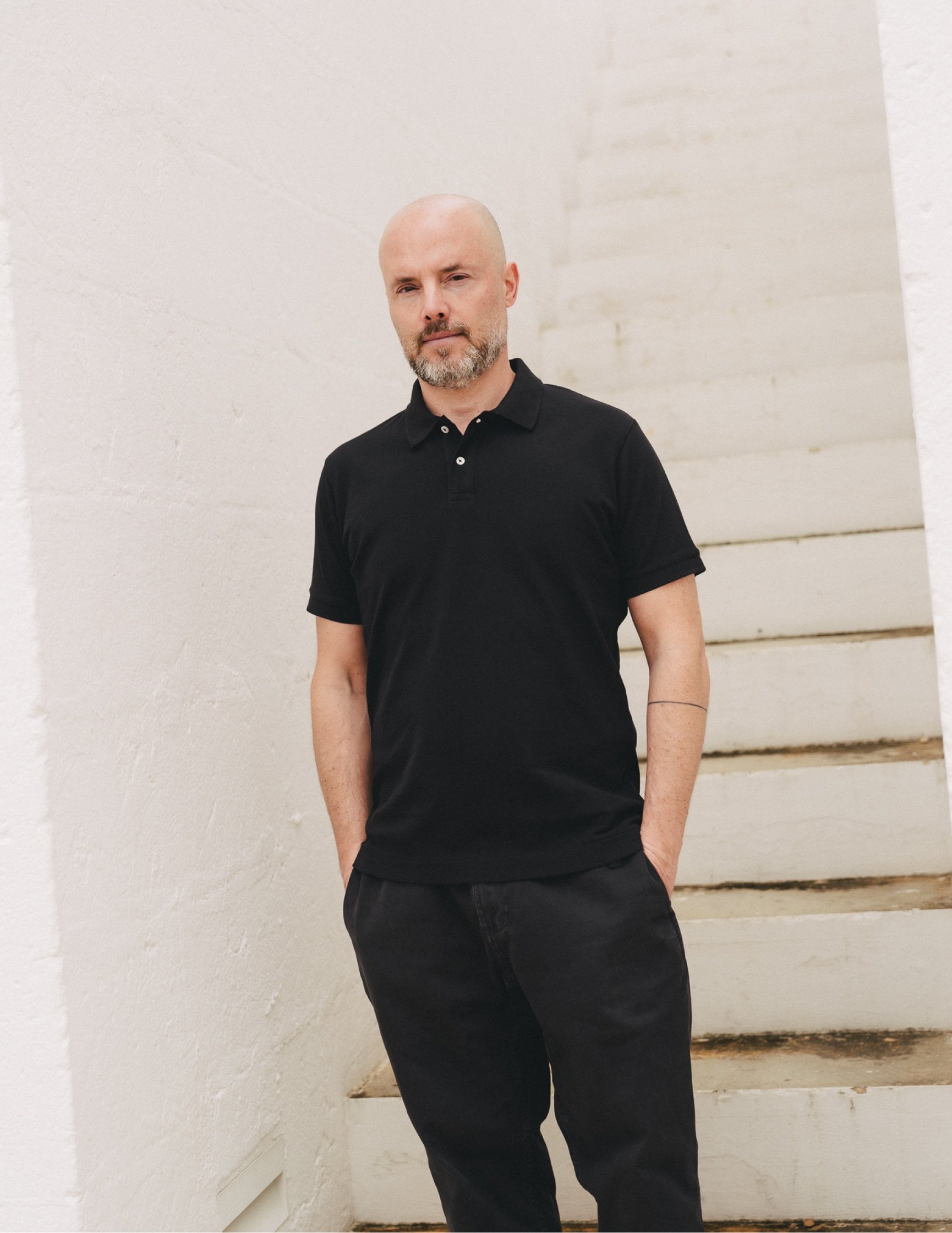
Founder Carlo Lanzini explores, joined by Giorgia Eugenia Goggi, who helms the in-house Moroseta Kitchen, what it means to invite guests into your universe, the benefits of growing your own produce, and bridging tradition with new ways of thinking.
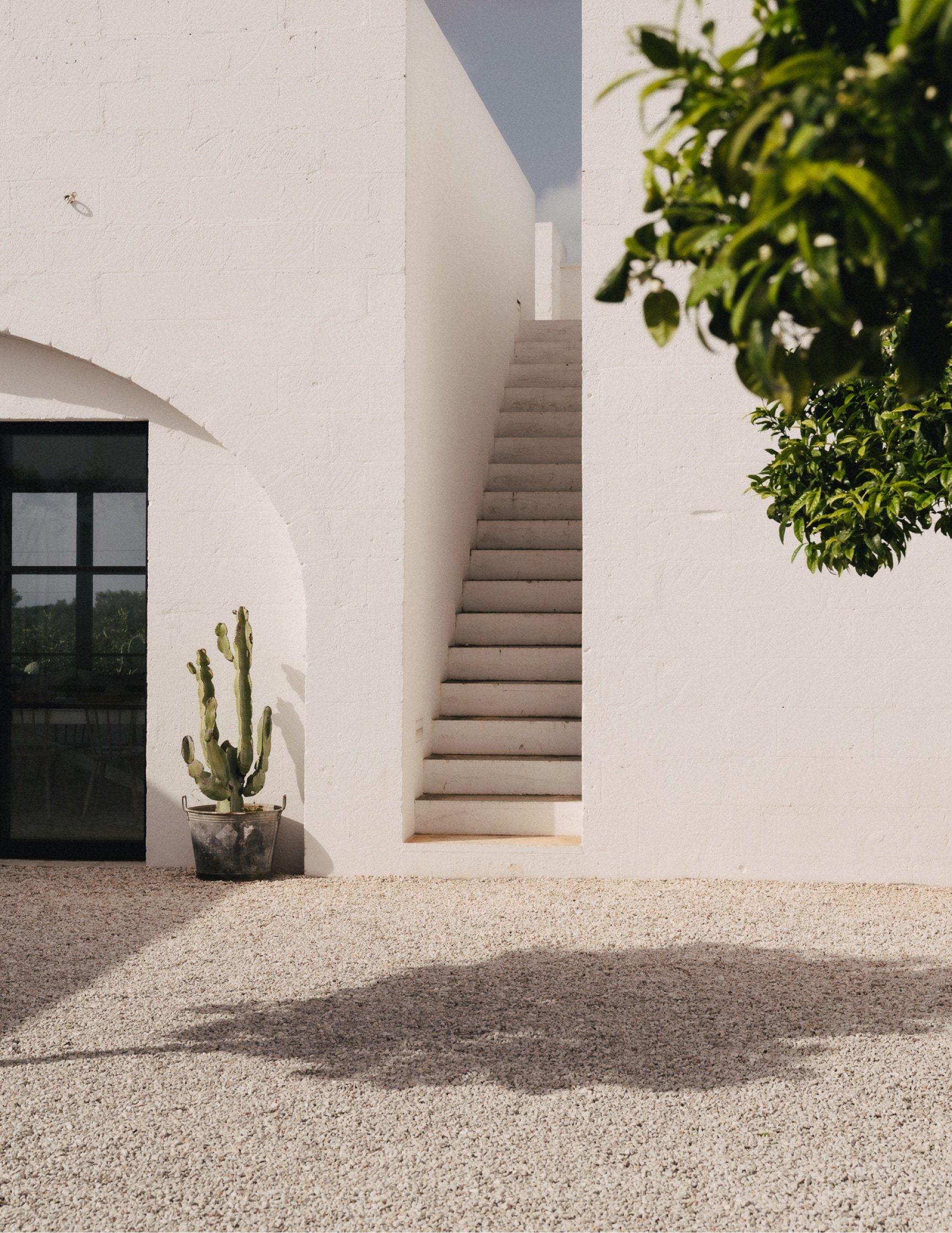
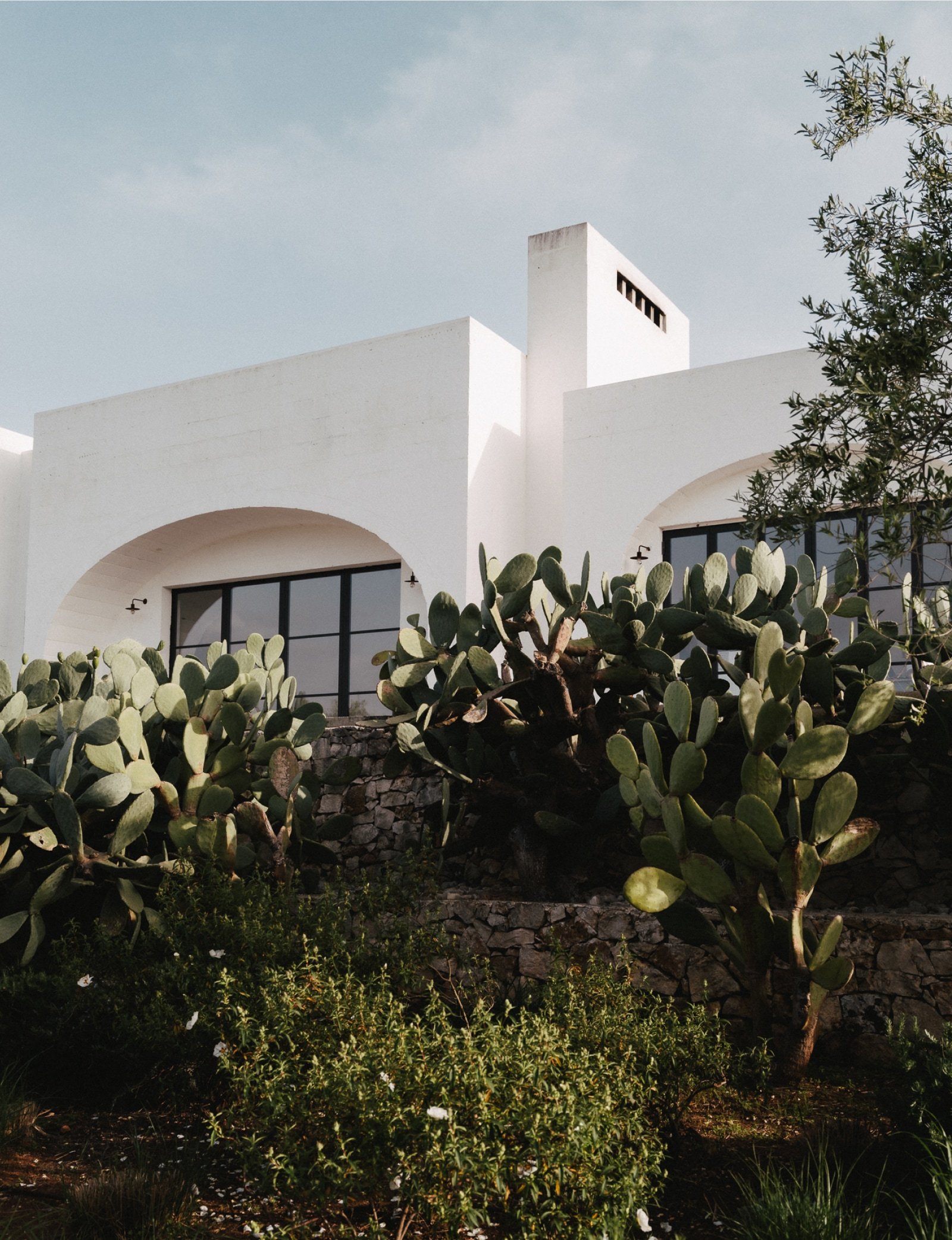
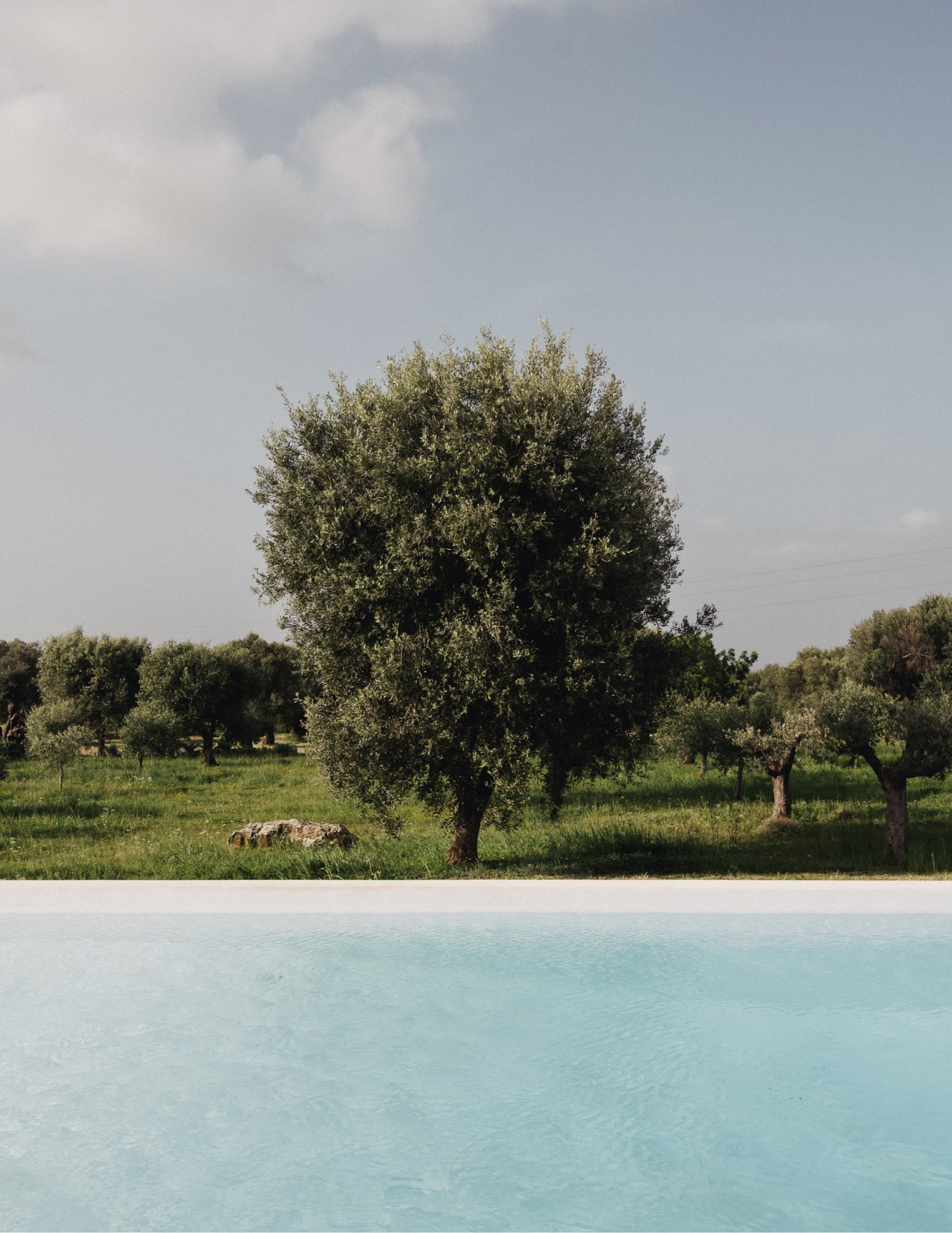
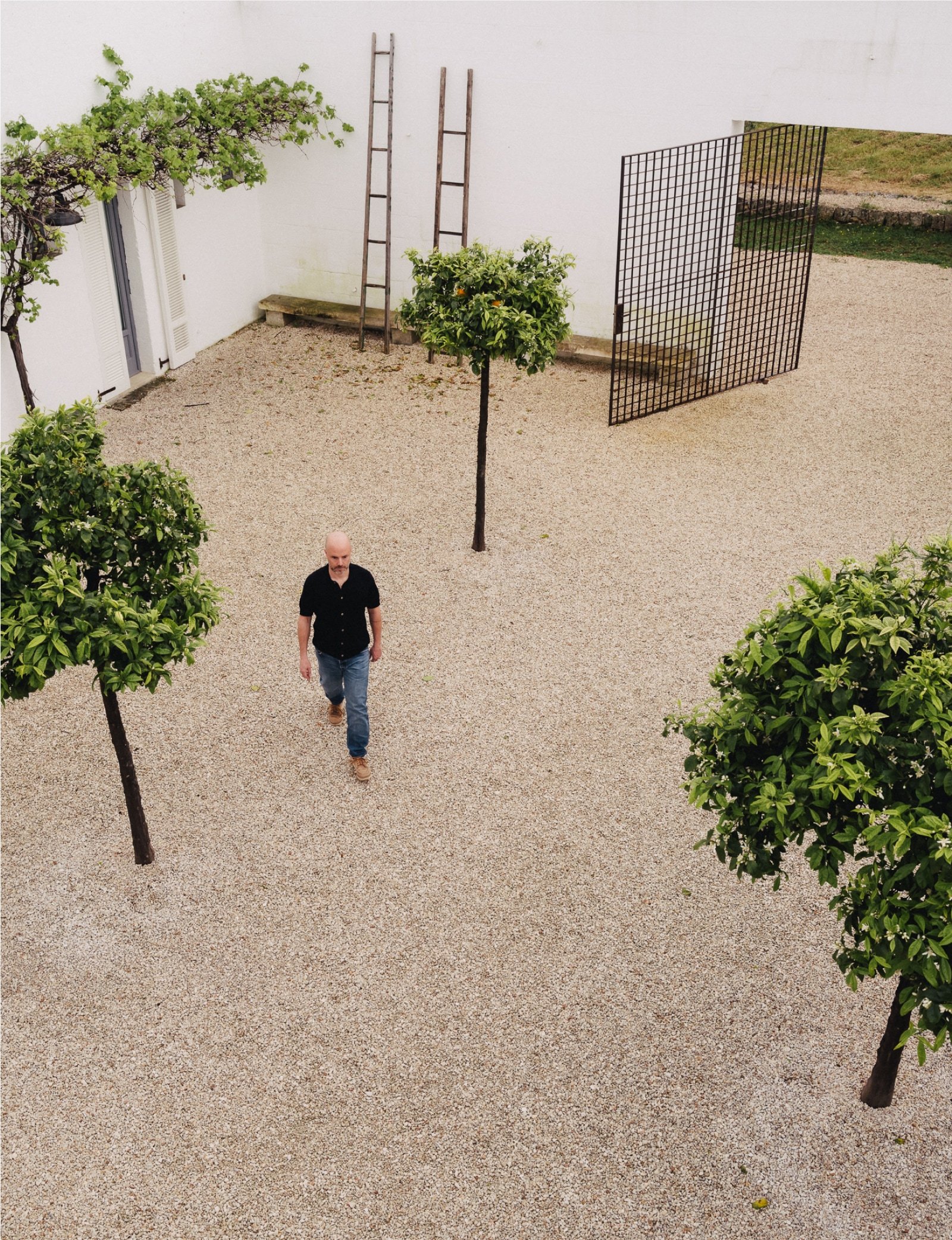
Off a winding country road, a stone’s throw from the whitewashed town of Ostuni in Southern Italy’s region of Puglia, lies Masseria Moroseta. Here, nestled into an olive grove with trees dating back over 1000 years, minimalist lines meet traditional details and the rural charm of the region.
With Masseria Moroseta, Carlo Lanzini has reinterpreted the archetypal Puglian farmhouse through a modern lens, creating what he calls a contemporary masseria – and redefining design-led rural travel in the process. Since it opened its doors almost ten years ago, the small but mighty hotel has established itself as a renowned travel and dining destination in its own right that’s been featured in the Michelin Guide and several magazines, and that draws discerning travelers to this remote corner at Italy’s heel.
Joined by Giorgia Eugenia Goggi, who helms the in-house Moroseta Kitchen, Carlo explores how small details add up to a holistic experience, the benefits of growing your own produce, what it means to invite guests into your universe, and bridging tradition with new ways of thinking.
A contemporary masseria
“Before we designed anything, not being from here, we really searched for the essence of a Puglian masseria,” recalls Carlo, who was raised in Northern Italy’s Brescia before moving to London to study cinematography, and continues, “We looked at many masserias, some were ruins, some fully finished, but what really amazed us was the squareness of the buildings.” It was this structure that laid the foundation for what would later become the vision of a contemporary masseria. “Traditional masserias tend to be full of ornaments; to us, they were missing the minimalism and the cleanness we wanted to achieve.”
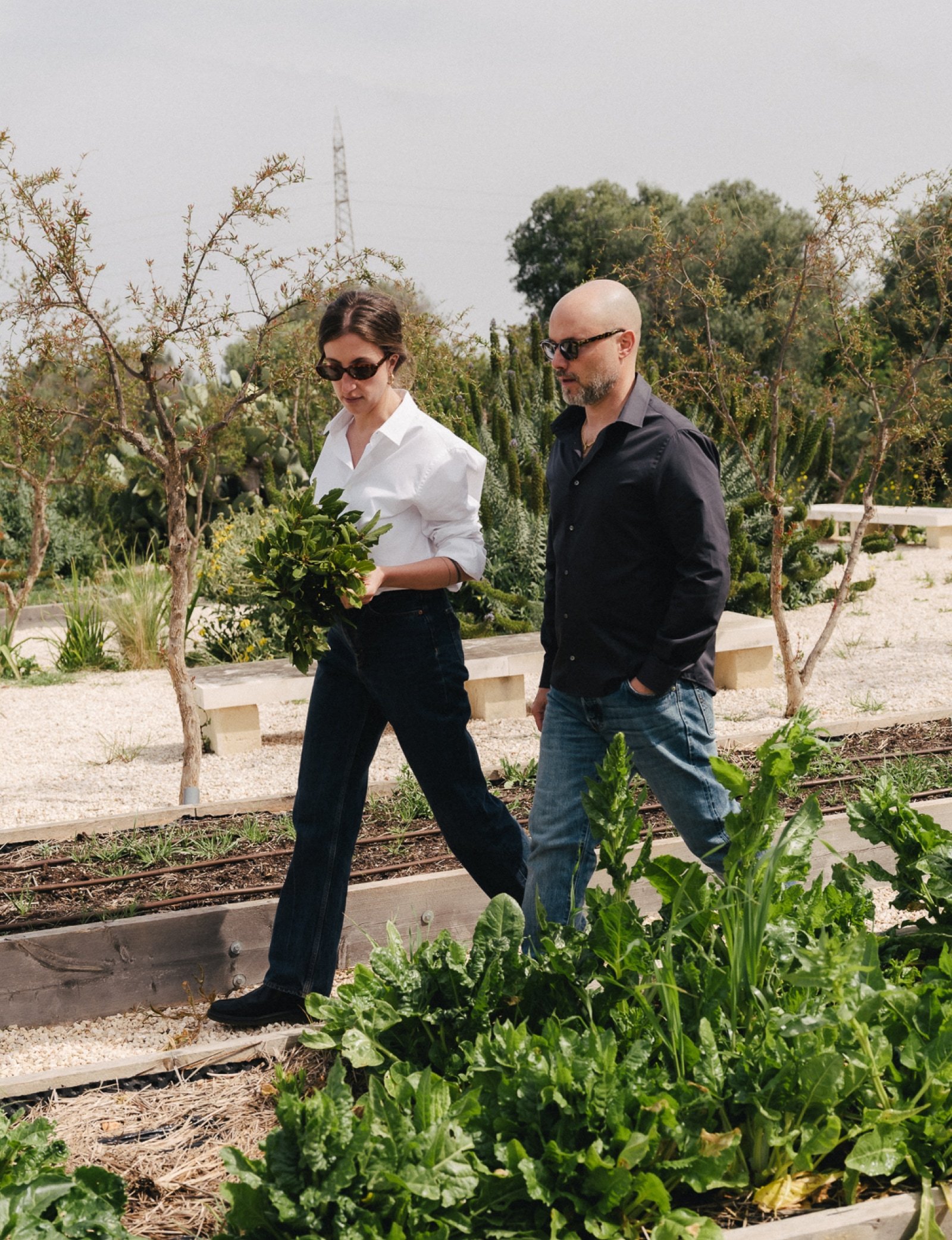
“Masseria means farmhouse. So having this kind of very circular approach – where we grow our own things, we cook the things we grow, we serve the things we cook – is at its heart.” – Carlo
Together with his long-term friend Andrew Trotter, who founded Openhouse Magazine and now predominantly works as an architect, he drafted Masseria Moroseta: six rooms accessed from the courtyard that opens onto the communal space, with large windows overlooking the pool and garden. Clean lines, reduced to the essential. And with an emphasis on sustainability.
The roof was designed to allow them to install solar panels on top, which, together with residues from olive pruning, provide hot water and electricity for the property. “To me, being self-sufficient was always a given,” Carlo explains. And that extends to the vegetable garden: “Masseria means farmhouse. So having this kind of very circular approach – where we grow our own things, we cook the things we grow, we serve the things we cook – is at its heart.”
Moroseta Kitchen: from soil to table
“The first draft of Moroseta Kitchen came to life very naturally,” remembers Giorgia. “I wanted the land, the territory, and what we were growing here to be the real protagonist. But approach it in a contemporary way.” She elaborates, “Because I'm not from here, I didn’t want it to be about local traditions. To repeat something that is not part of my heritage felt a bit pointless. Together, all these elements contributed to creating this kind of dynamic vision of the food we serve.” And Carlo recalls, “As soon as she started here, I sensed there was a connection with the project. Traditional food in a masseria that was not traditional at all wouldn’t have felt right. So the way she looked at the local produce with fresh eyes perfectly reflected how we built the space.”
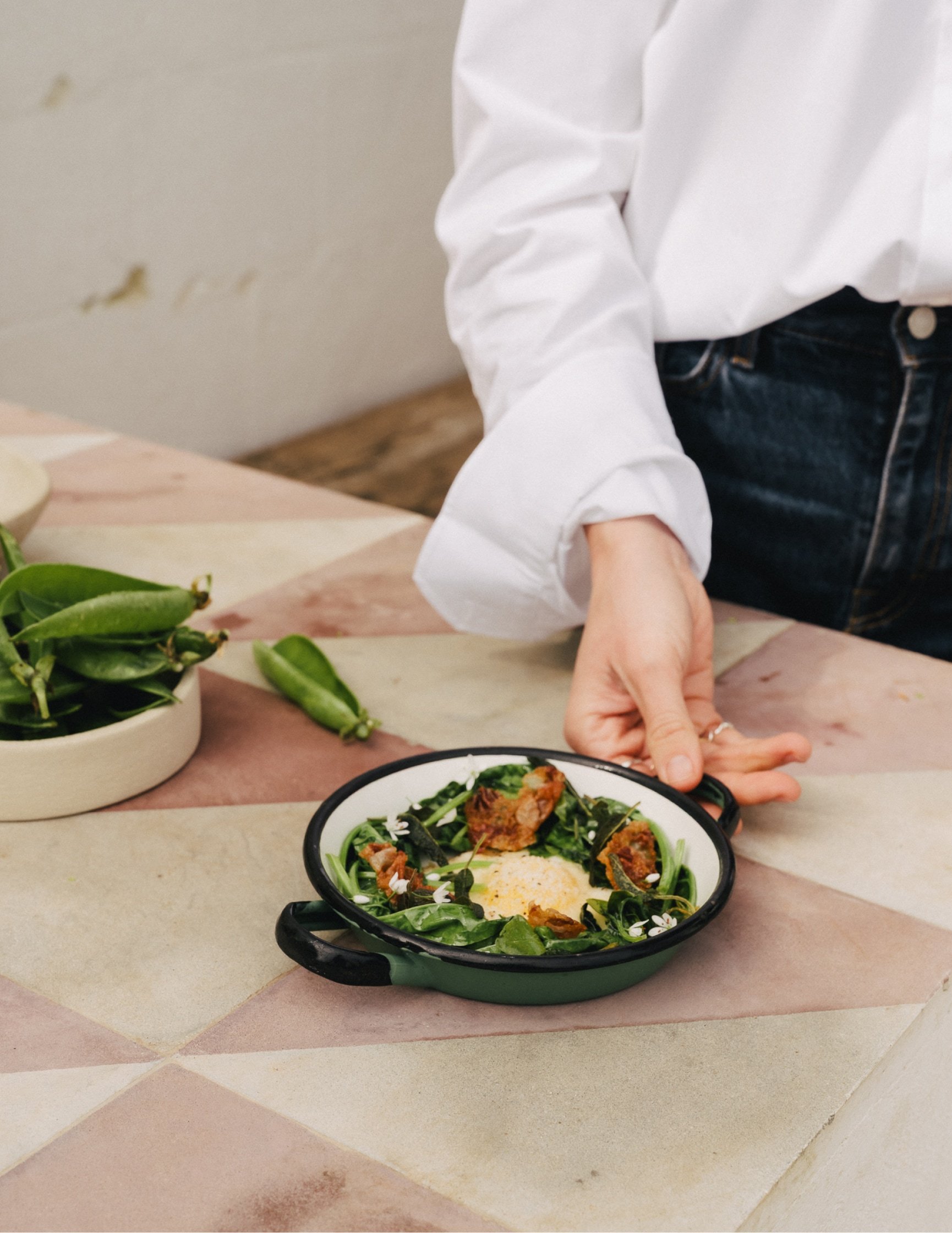
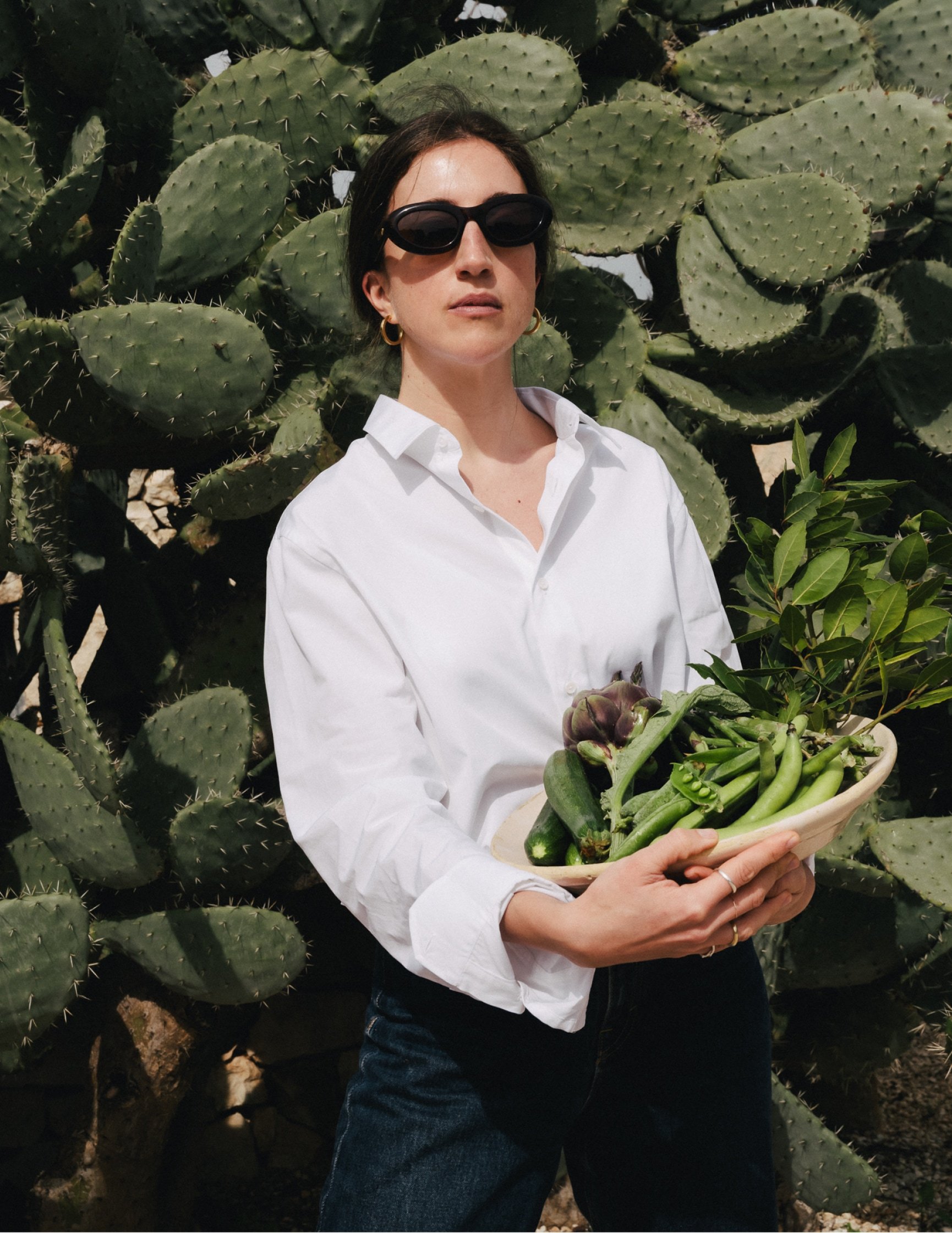
“I wanted the land, the territory, and what we were growing here to be the real protagonist. But approach it in a contemporary way.” – Giorgia
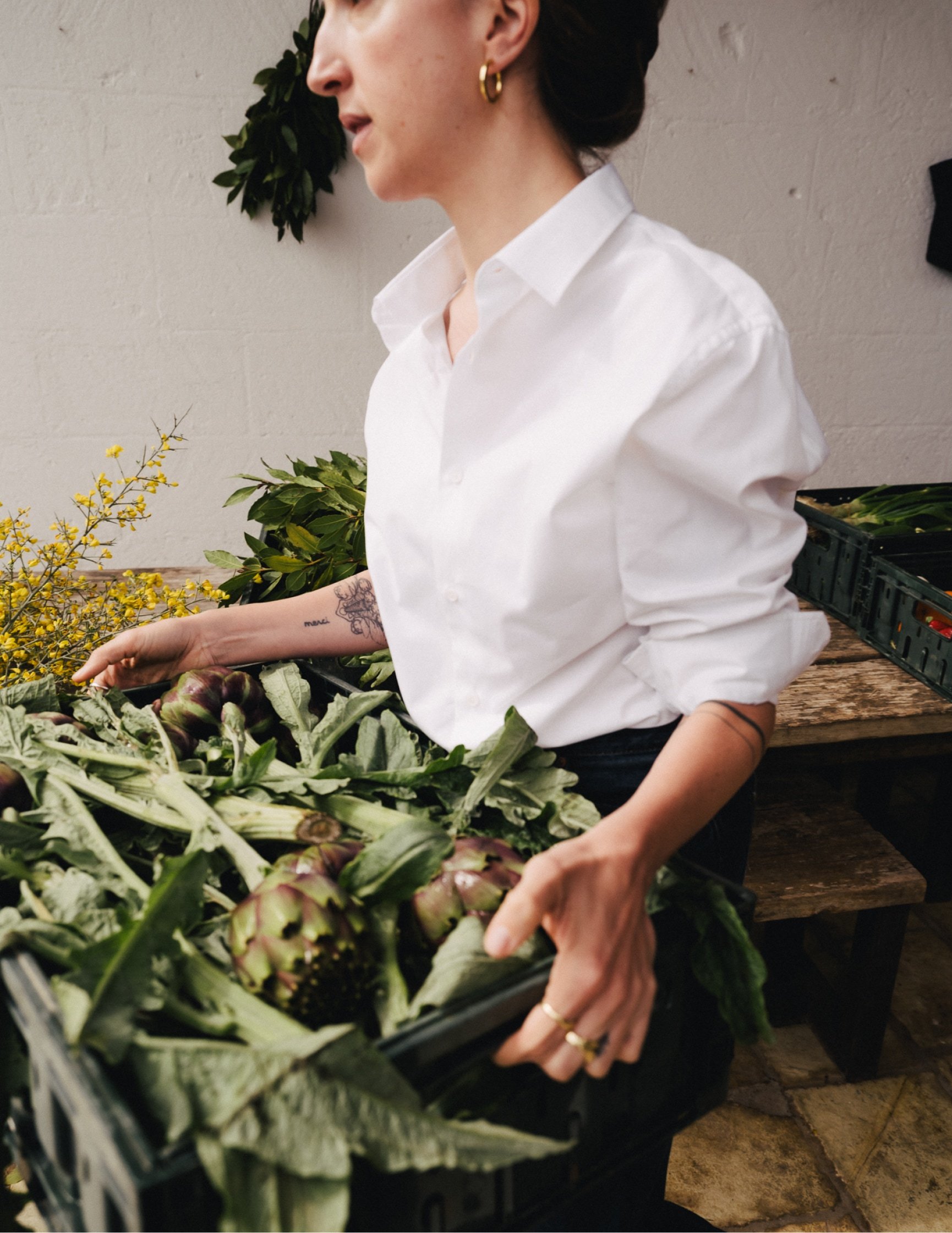
From the slightly sweet crunch of the spring’s first peas to the home-pressed olive oil, the menu evolves day by day according to the land surrounding the masseria. Giorgia explains, “My goal was also to narrate this incredible magic and privilege we have working here, and to tell this story to our guests. Many of them were coming from big cities, and as you know, you're never really able to have that very freshly picked peach. It’s amazing to make them experience this.” And Carlo adds, “I’m super proud to show our guests that we are actually surrounded by the trees that produce what we are serving.”
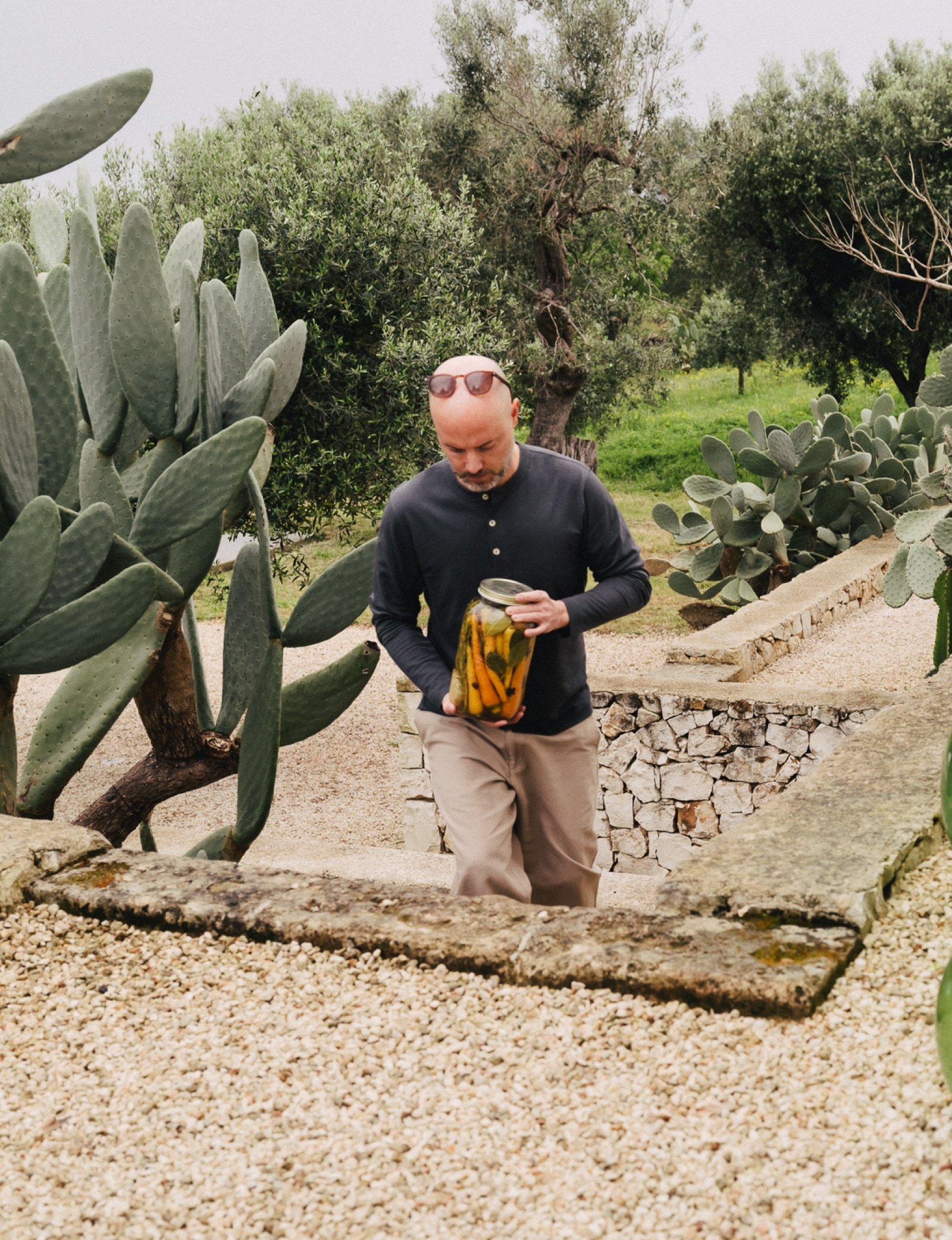
Giorgia’s approach to food is led by deep respect for the produce and a good dose of curiosity. “I have a degree in fashion design and didn’t go to culinary school, so I’m definitely not the fastest one in preparing food for 100 people, but when it comes to finding creative ways of using leftover beetroots, I see many possibilities for something that in a classic approach would be just leftover. Witnessing every day how long it takes for a fennel to grow or an aubergine or a zucchini, you really learn how to appreciate every part of it,” Giorgia reflects. And it resonates – within the walls of Masseria Moroseta, where she delights guests and a growing stream of external diners, and beyond: Georgia has established herself as a culinary figure in her own right, a published cookbook author and sought-after guest chef from London to Mexico City.
Elevated simplicity in every detail
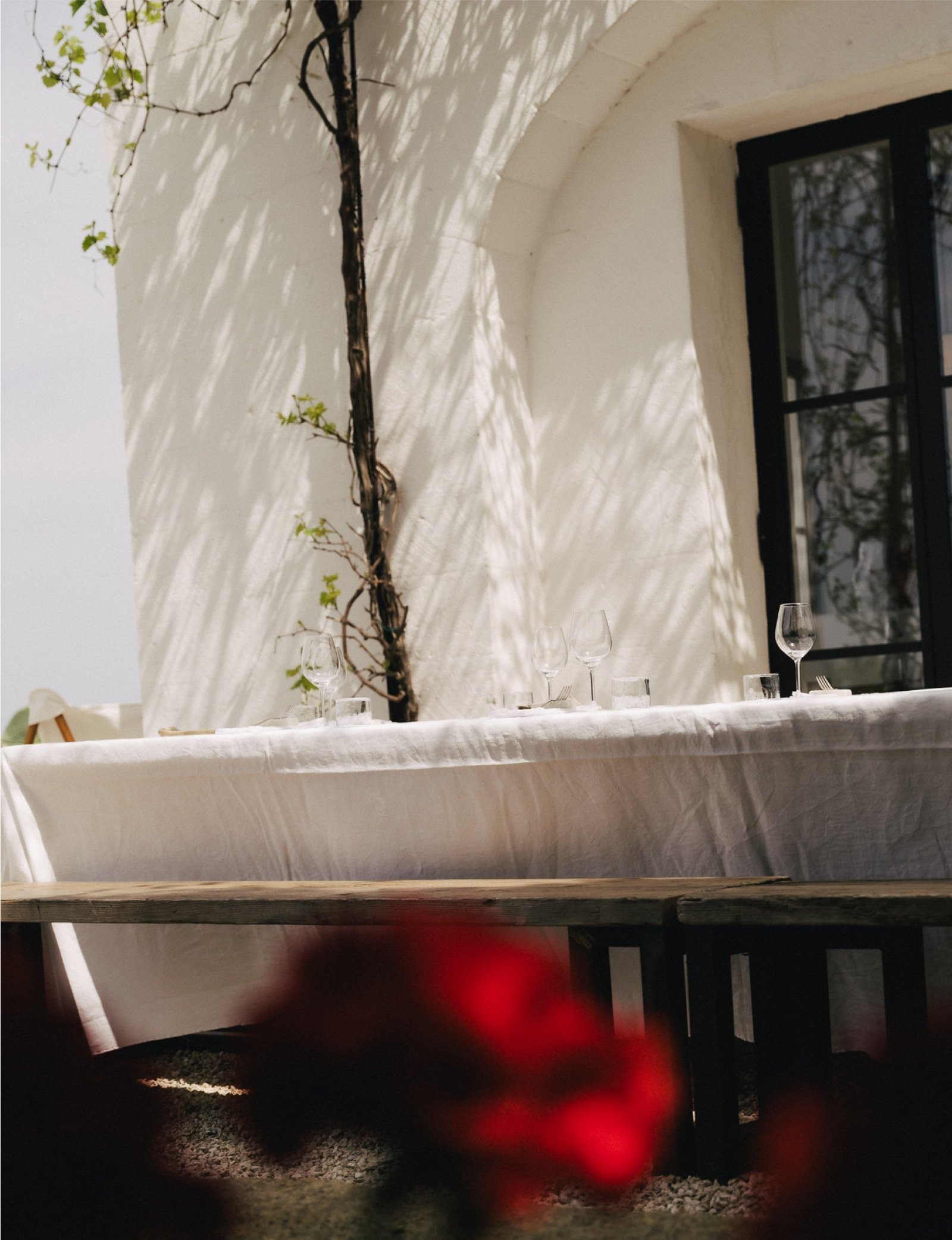
Well fed from lunch, overlooking the olive grove and pool that appear to be perfectly framed by the large window front, it quickly becomes apparent that a stay at Masseria Moroseta is about more than a bed or a meal; it’s an experience, one that’s been thoughtfully curated by Carlo, Giorgia, and the team. “It's not only about the space or the design or the food. Everything matters, and everything is equally important. The light, the plating, the music, the landscape, it’s the combination of all those details that creates this sense of quality,” explains Giorgia, and Carlo elaborates, “Quality to me is in the details. So for me, even a chair has to be in the right place and the right distance from another chair.”
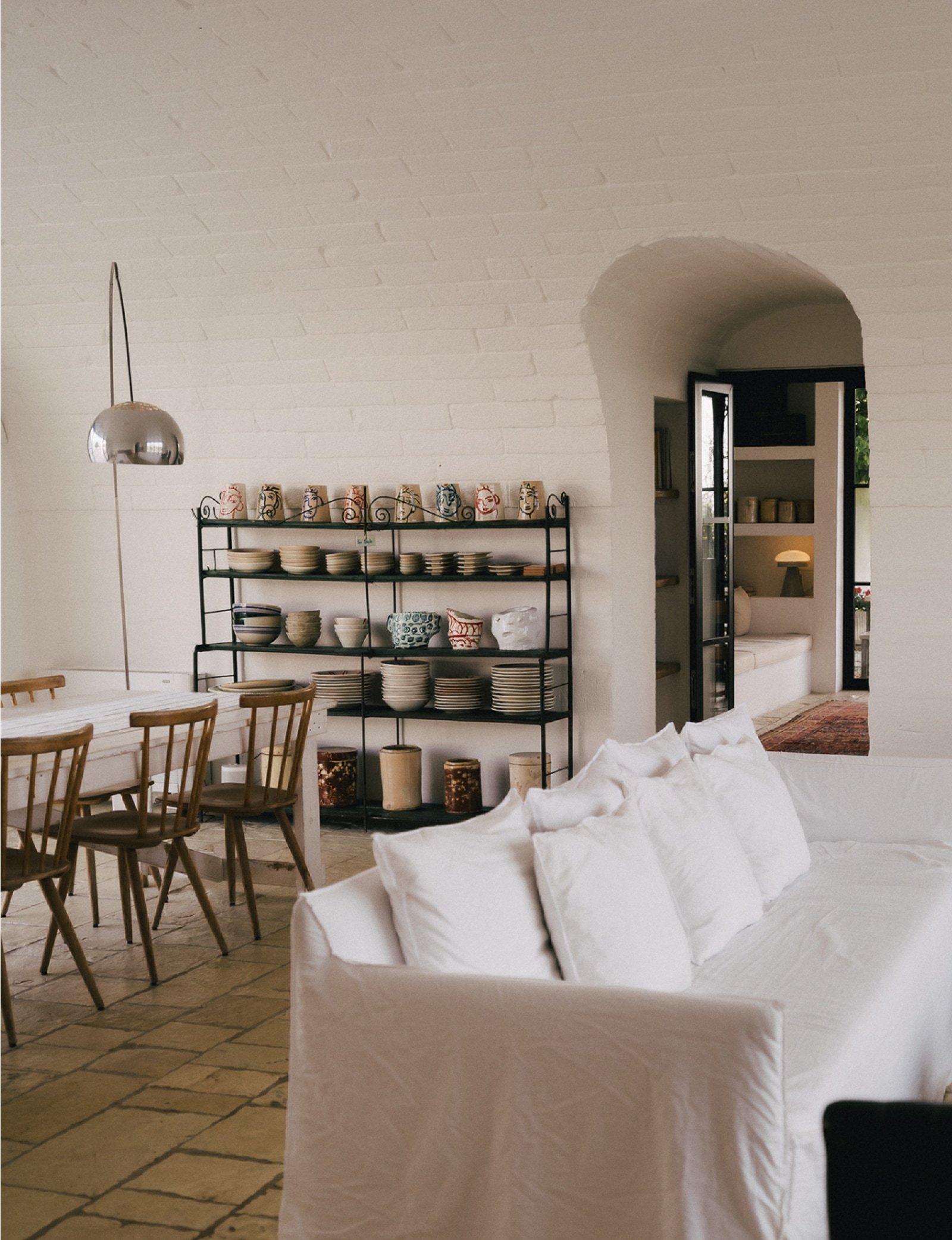
“Quality to me is in the details. So for me, even a chair has to be in the right place and the right distance from another chair.” – Carlo
A big part in ensuring this sense of consistency and quality is in-housing as many aspects of this experience as possible, from the energy to the garden to the kitchen. Carlo elaborates, “Having our own produce gives us control over what to grow in our garden and especially, how we farm it. I think that's a very strong similarity that Masseria Moroseta and Son of a Tailor have in common: quality, attention. And the control of the production, from the beginning to the final product.”
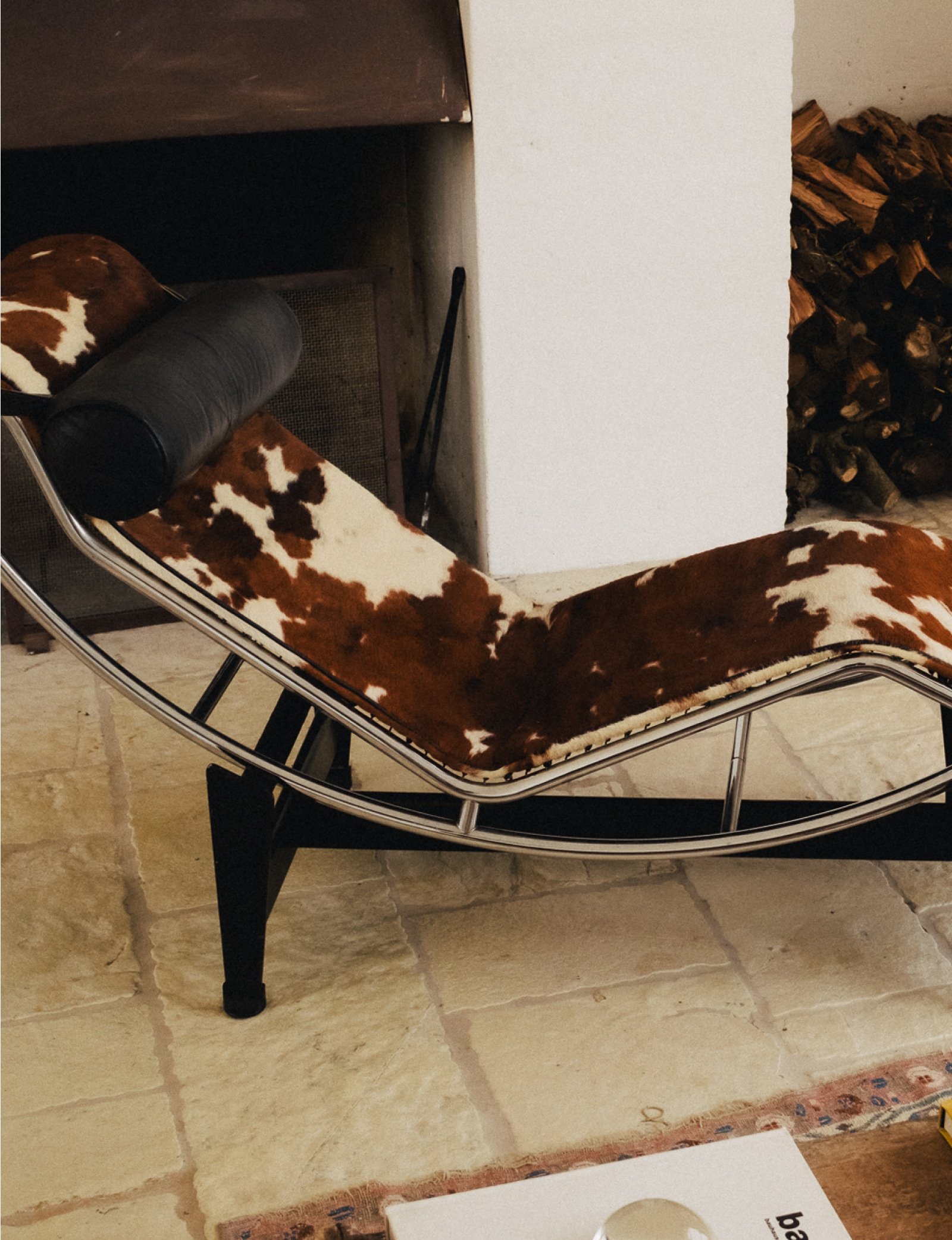
Well orchestrated, all details come together to what can only be described as a creative universe. One that feels authentic to those inhabiting it, and perhaps this is where the magic lies. “To me, this is not a job,” Carlo reflects. “Whether it’s the way I furnish my own home or the way I dress, I’m drawn to the same simplicity and attention to detail. I was living in the room that is now the office, and for me, this is still my house even though I now live five minutes away.”
“You really feel like you are at home more than you are in a hotel. And that's exactly what I wanted “ – Carlo
The appeal of intimacy
And it’s that sense of intimacy that Carlo holds dearly. “You really feel like you are at home more than you are in a hotel. And that's exactly what I wanted to have because I remember when I was a kid, I was living in a big villa with my parents. And I always thought that one day I would like to turn the villa into a hospitality place for friends. And that's exactly what I achieved in Moroseta.”
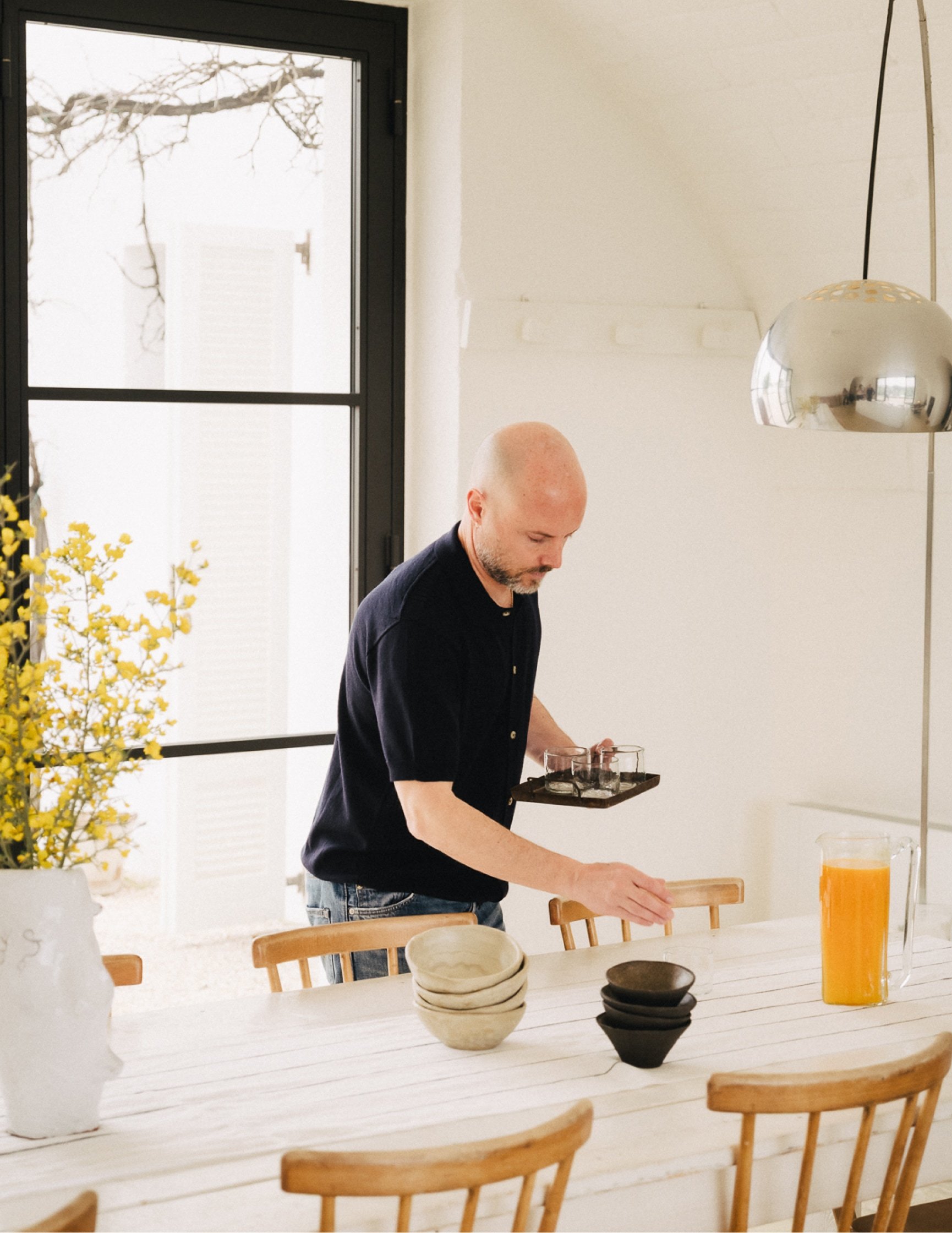
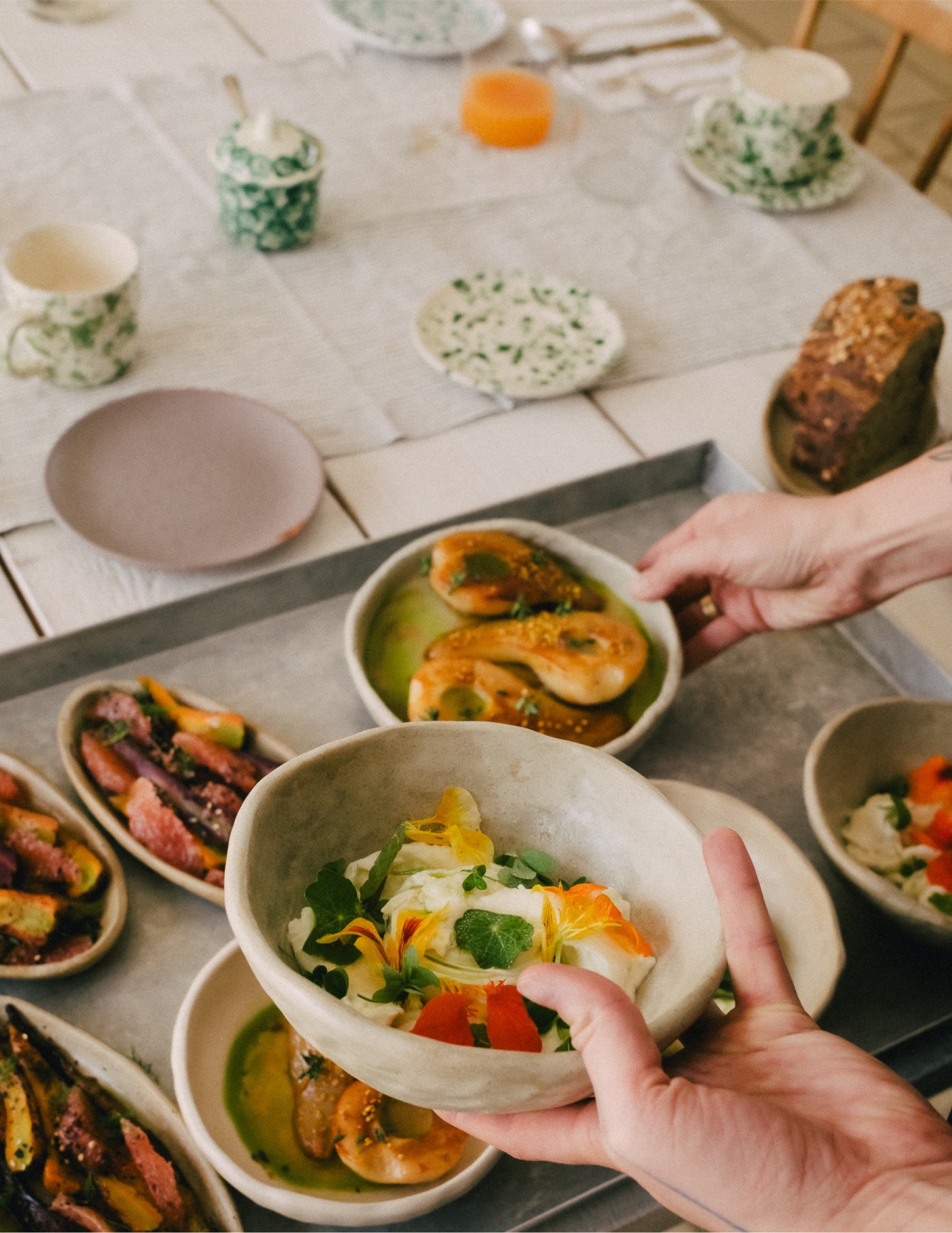
At first, a decision out of necessity due to the available space, the small scale of the Masseria has become a key asset. And while they could easily expand, they intentionally choose not to. With a maximum of 12 guests at a time, the atmosphere is personal, and meals are enjoyed on a long communal table. “We’ve had guests who met here over dinner and ended up traveling the world together. Many return every year or every other year, some end up buying property in the area,” Carlo reflects.
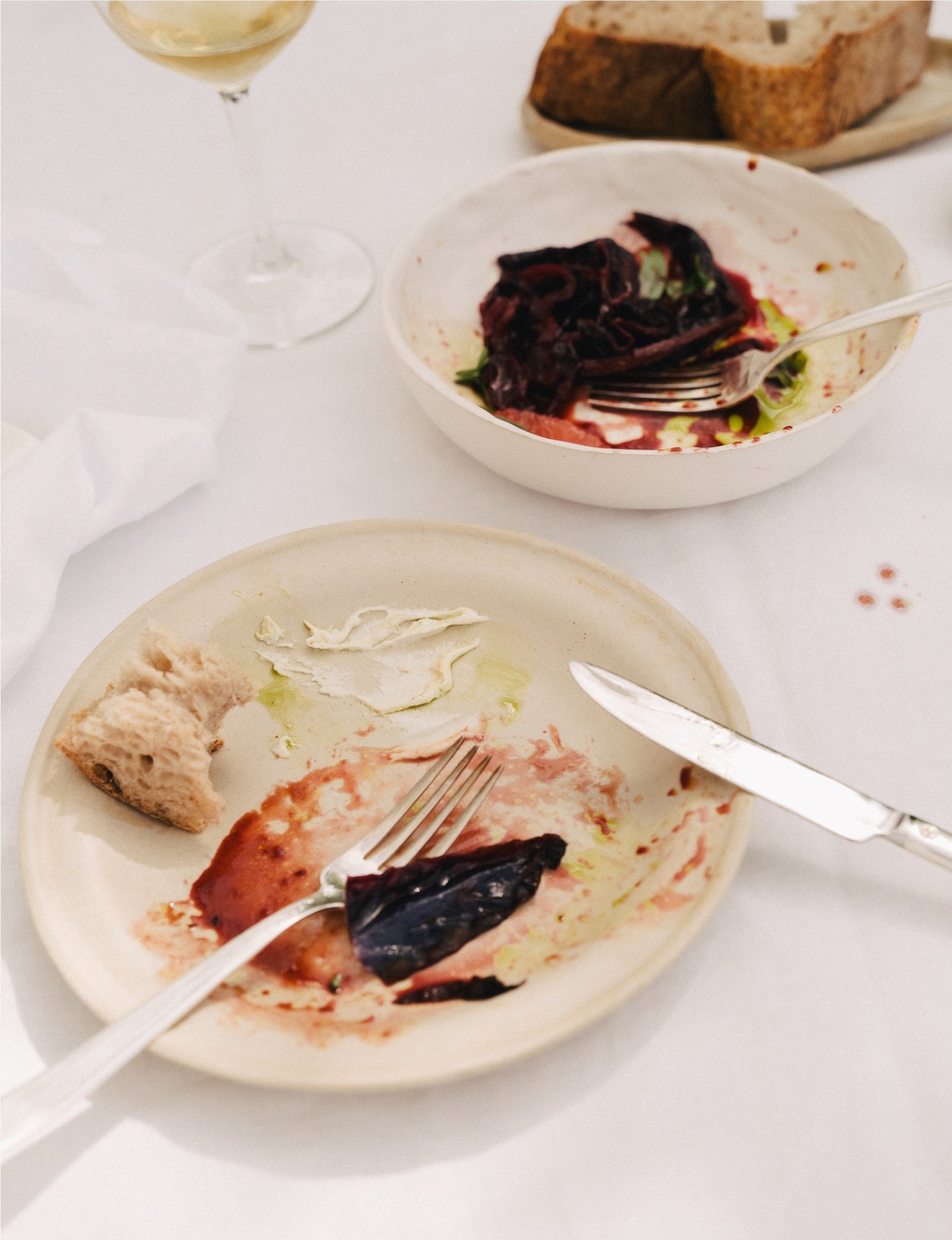
Over the last ten years, spurred by the influx of creatives and entrepreneurs such as Carlo and Giorgia, Puglia has rapidly gained in popularity, which doesn’t come without challenges – for the region and local businesses. One is to balance demand and authenticity.
“To me, it’s really important that we keep the authenticity of the region,” Carlo states and adds, “If we simply follow what the masses are asking, we’ll lose that in a second. I believe we should always do what we do well and do it when we’re ready.” Giorgia agrees, “I think the Masseria is what it is because every part is well thought through and not rushed. Not because the market is requesting it or because it’s trending. And maybe it’s authentic because what we do is always personal and felt.”
Learn more about Masseria Moroseta here.
Further Reading
Behind our SS26 shoot at Guest House No. 16
In conversation with Norm Architects founder Jonas Bjerre-Poulsen
Designing for lasting impact with Muyiwa Oki
Architect and former RIBA President Muyiwa Oki on the power of reconstruction and using his own success to open doors for a new generation