Field Notes #4
The making of Noma Projects' Flavor Shop with Thomas Lykke
For the fourth edition of Field Notes - our series exploring the inspiring lives of people shaping culture through craft, creativity, and care - we meet Thomas Lykke, one of Denmark’s most accomplished designers and Son of a Tailor collaborator, at his latest design project, Noma’s new Flavor Shop and Coffee Shop on the grounds of the three-Michelin-starred restaurant in Copenhagen.
Having been awarded the title of Best Restaurant in the world four times, Noma (short for “Nordisk Mad” which translates to “Nordic food”) has not only been a driving force of the New Nordic Cuisine movement but also put our mutual hometown, Copenhagen, on the map as a global dining destination. Today, a broad range of Noma alumni have opened up their own places all over the city, from the exceptional bakery Juno to elevated Mexican fare at Sanchez, further contributing to the city’s dynamic food scene.
The opening of the Flavor Shop and Coffee Shop marks a new chapter in the restaurant’s history, one that opens up its universe to everyone. Since we met him in early summer for a previous edition of Field Notes, Thomas has been busy concepting, designing, and fine-tuning the space. We sat down with him to learn more about the unique experience and how he and his team translated it into the interior we move around today.
“This shouldn’t be a traditional shop, not something that felt like it came out of a manual”
Could you briefly introduce yourself and what you do?
My name is Thomas Lykke, and I'm the Creative Director of OEO Studio, an interdisciplinary design studio here in Copenhagen. We work based on a philosophy we’ve built over the last 20-something years, called Compelling Minimalism. And what we mean by compelling is primarily the emotional connection to people. Minimalism kind of explains itself; to us, it’s something really carefully thought through and curated.
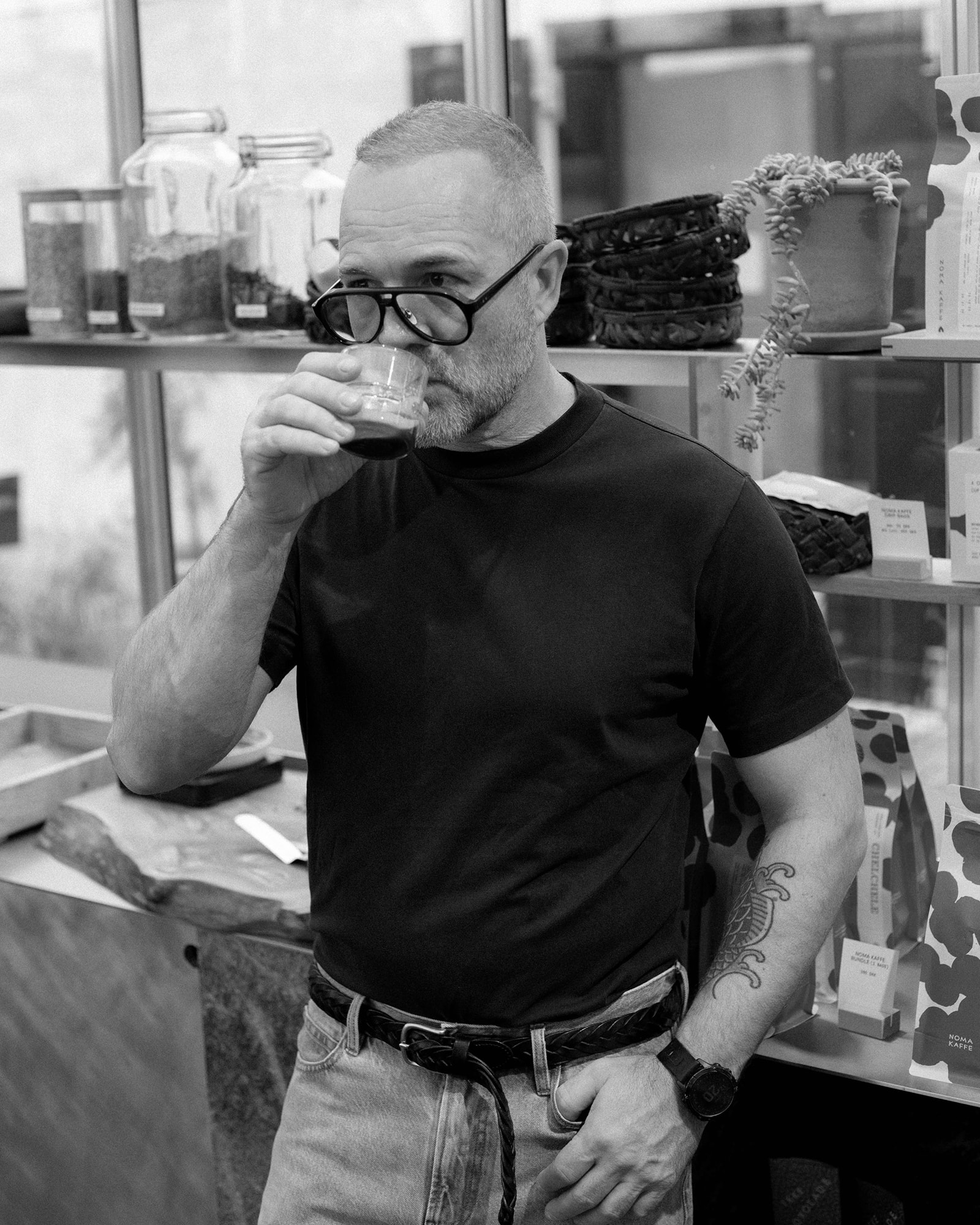
We’re now sitting quite literally in one of your latest design projects, Noma Projects’ new Flavor Shop and Coffee Shop in Copenhagen. Can you set the scene a little?
With the new Flavor Shop, the team takes all the knowledge of what had been created in the test kitchen over the last 20 years and makes it available for people to get a taste of Noma on a daily basis. It's like taking something very, very precious and opening up the doors to the world.
Noma Projects started right here in Noma’s test kitchen. Now they also have a bigger facility close by where they create the products in slightly larger but still small batches, mainly from local produce from all over Denmark.
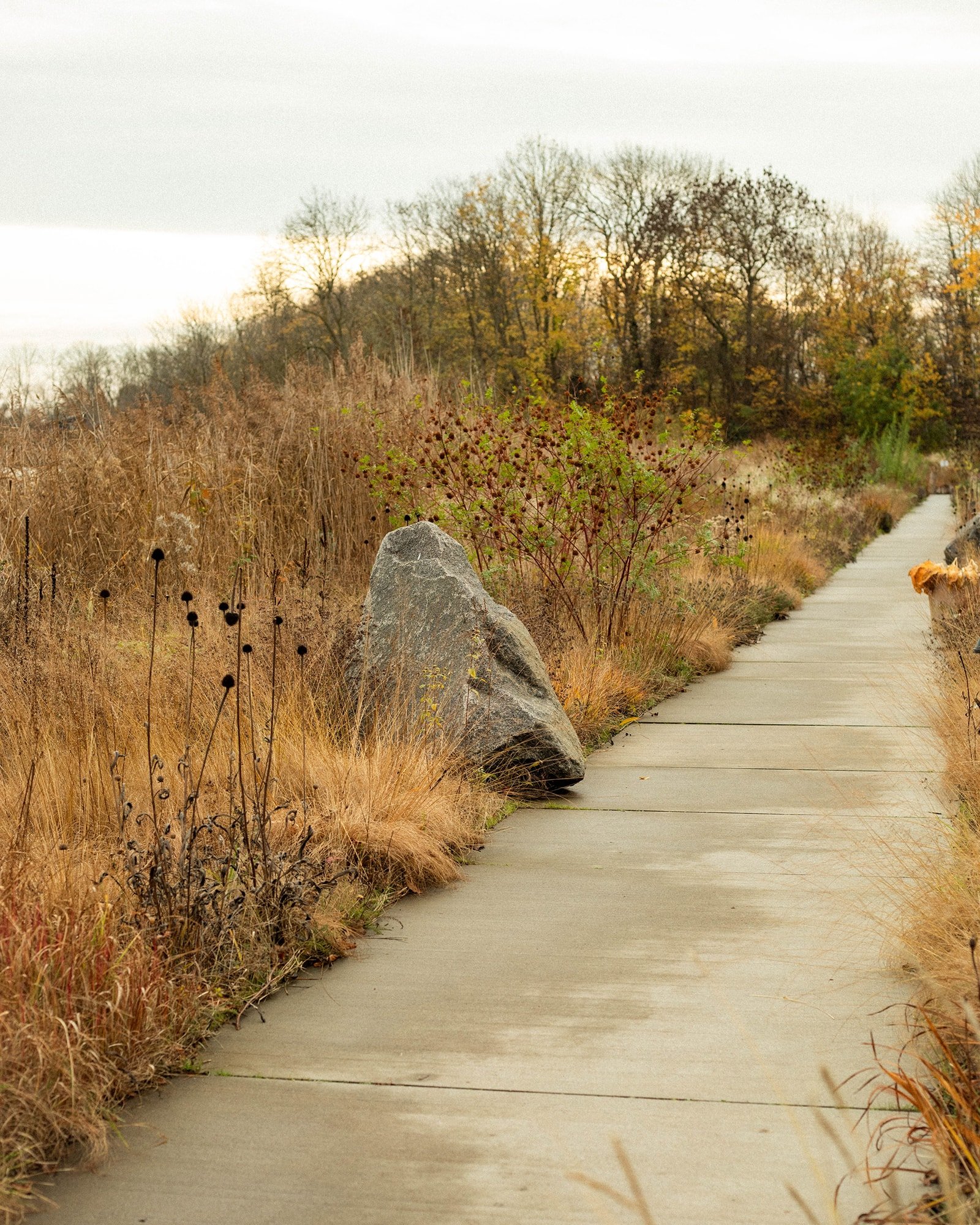
I mean, the whole idea of Noma was Nordic ingredients, right? It’s in the name, Nordisk Mad (“Nordic food”) put together: Noma. I think in that sense, local ingredients are part of their DNA. It's the core of what they do. And it's the same with the Flavor Shop, the local element also makes it more interesting, I believe. You use what you have, and that also forces you to be more creative. Because you challenge the known, for example, by taking inspiration from how you make food in Japan.
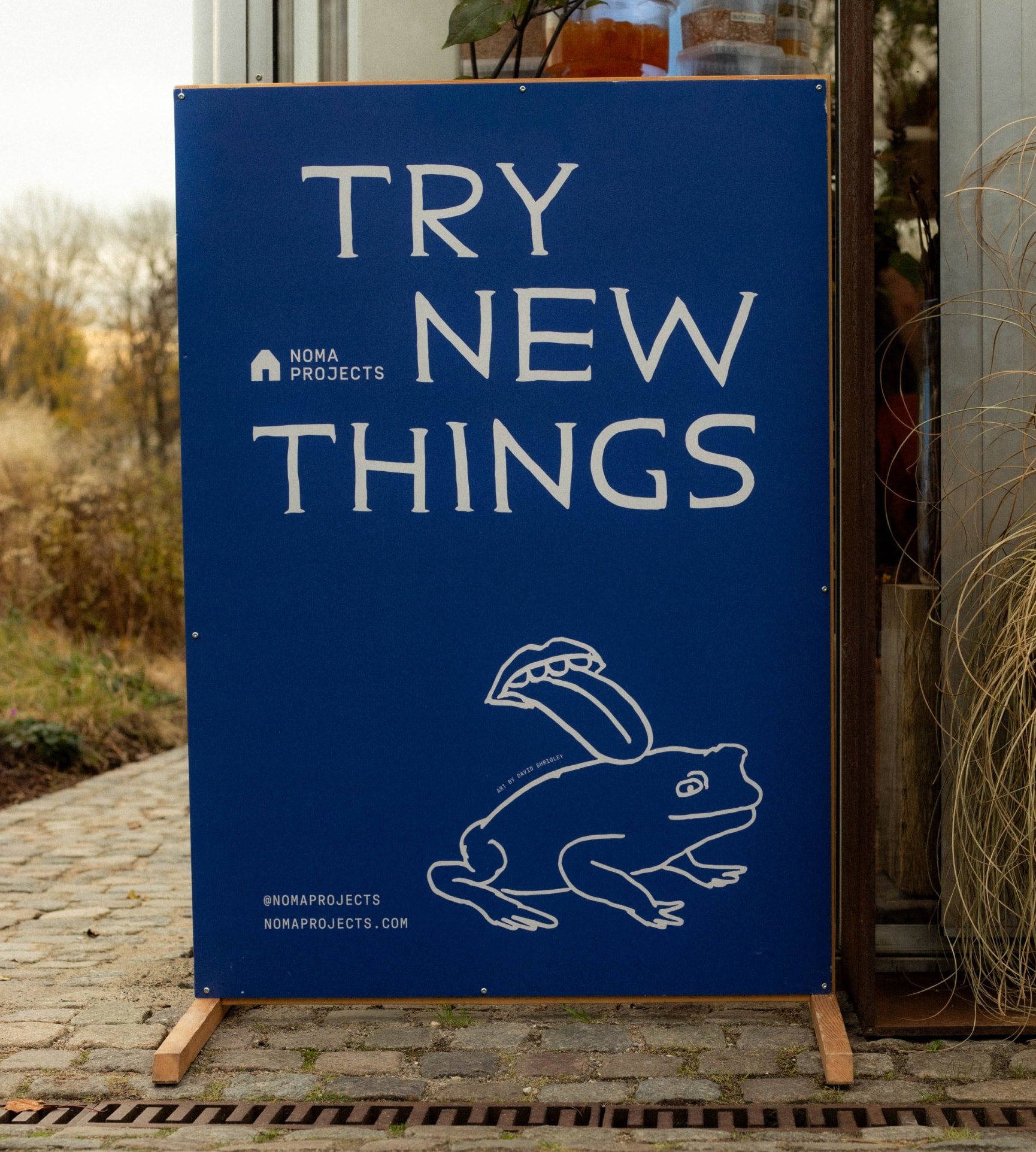
The Nordic "Soy" Sauce is an interesting example. By using Denmark-grown fava beans instead of soy beans, you can create almost the same kind of flavor, but with a little twist. And I think that is also the beauty of all the products. By testing and pushing the notion of what is known already, the team creates flavors that you have not tried before.
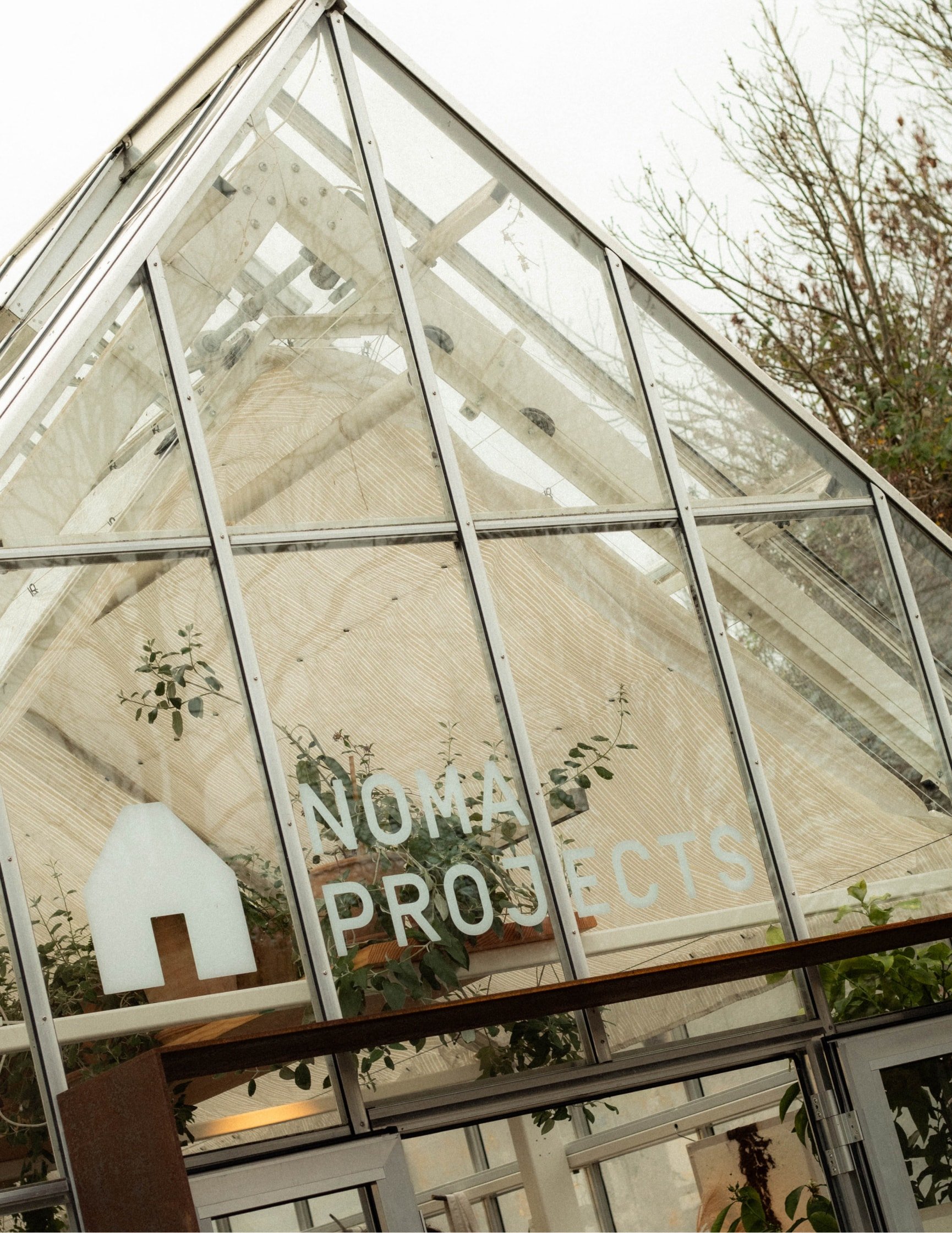
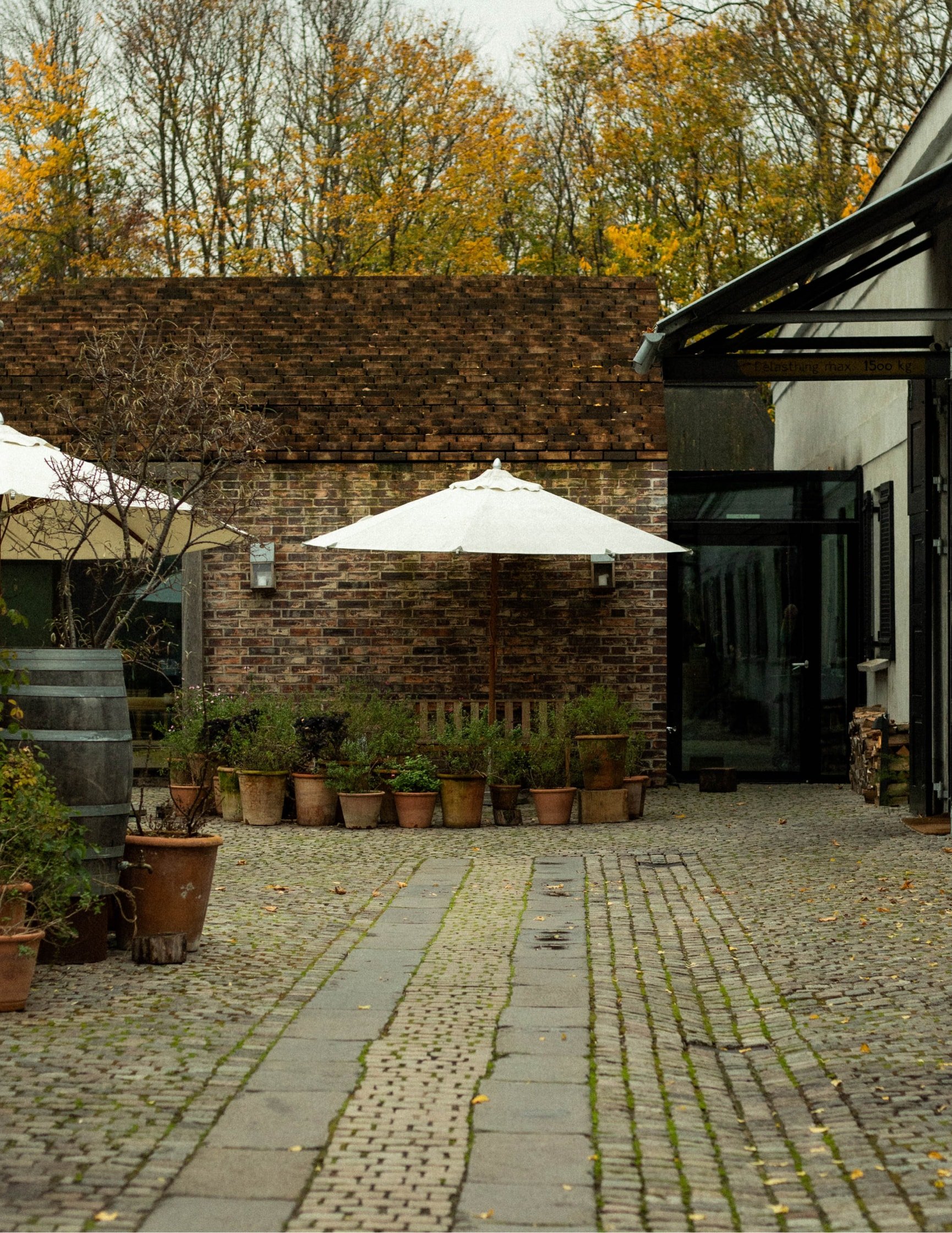
“We take the essence of flavor, of the products they create, and bring that into a physical environment.”
You’ve worked with the Noma Group for quite some years now, in Tokyo, twice in Kyoto, and now here on their latest venture. How did you approach this project?
Our collaboration with Noma always starts with dialogue. We need to understand where they come from, what they want, and what the overall vision is. In this case, it started with a wish from Rene Redzepi (Noma head chef and co-founder) and Noma Projects that this shouldn’t be a traditional shop. He didn't want something that felt like it came out of a manual; he wanted something new. And how do you do that?
To us, it was important to really translate Noma Projects’ fascination with ingredients and culinary innovation. And then take the essence of flavor, of the products they create, and bring that into a physical environment. We took inspiration from the way they treat ingredients – how they combine different ingredients, and treat them ever so slightly differently from what you normally do to create something that is just very fresh, new, and relevant. I think that’s super interesting.
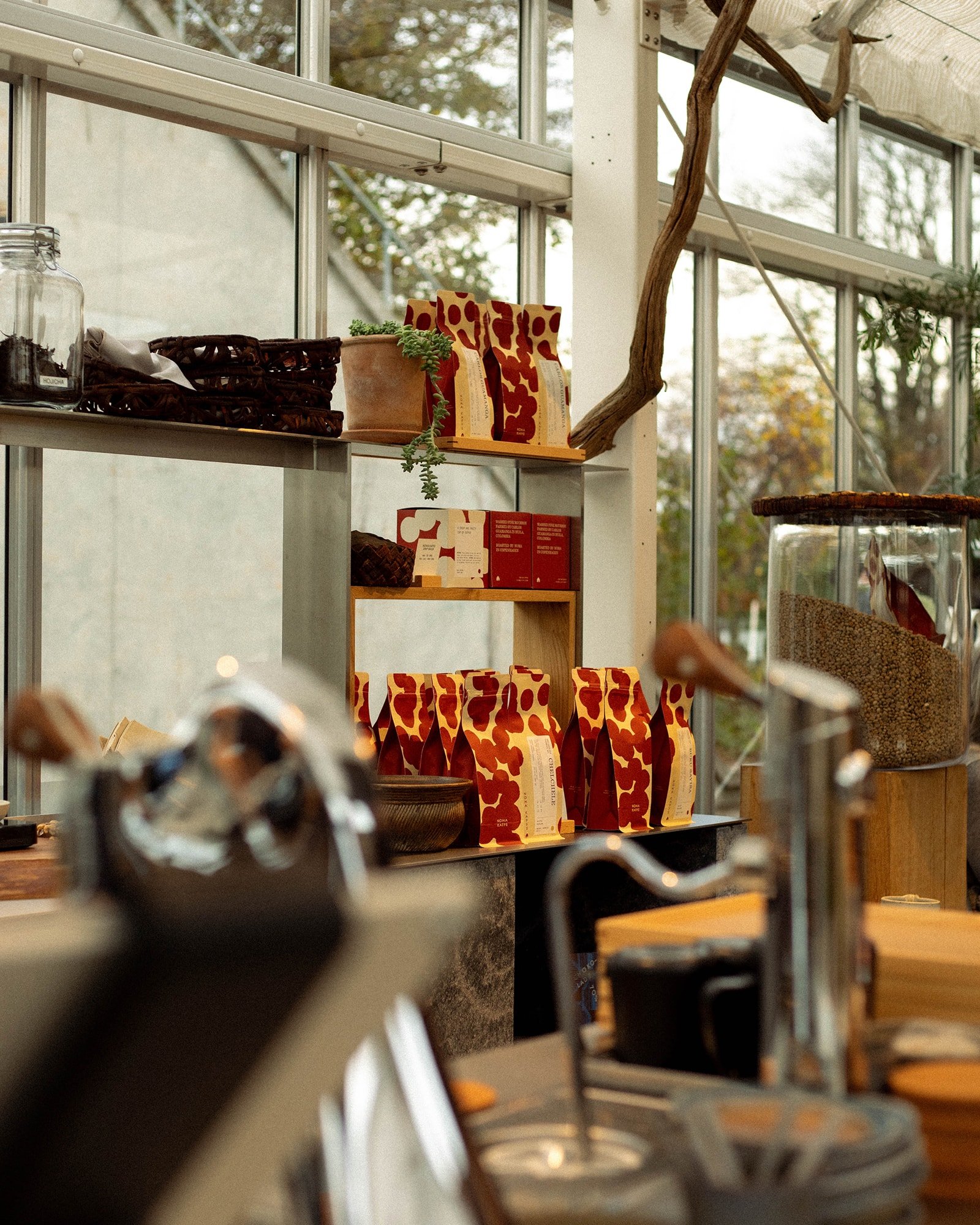
We treat the materials for the interior in the same kind of way. For the counters, for example, we used paradise granite from the island of Bornholm, which, to me, is one of the most beautiful granites in the world and obviously very limited, as the island is small. But it's absolutely beautiful. By treating the same stone with different treatments like jet-burned, chiseled, or honed, the stone really changes its expression. We work with all of them and put it together. So, like a piece of music, it becomes a beautifully composed thing.
“It's about creating environments that people are drawn towards.”
How do you facilitate a visitor’s experience through design?
To me, that comes back to Compelling Minimalism. It's about creating environments that people are drawn towards. When something becomes too alien or too cold, you can also say it becomes alien to you. But I think it's very important that design makes people feel welcome and at ease. It’s about creating experiences that make you want to engage with the design or the space or the pieces.
How did this come into play at the Flavor Shop?
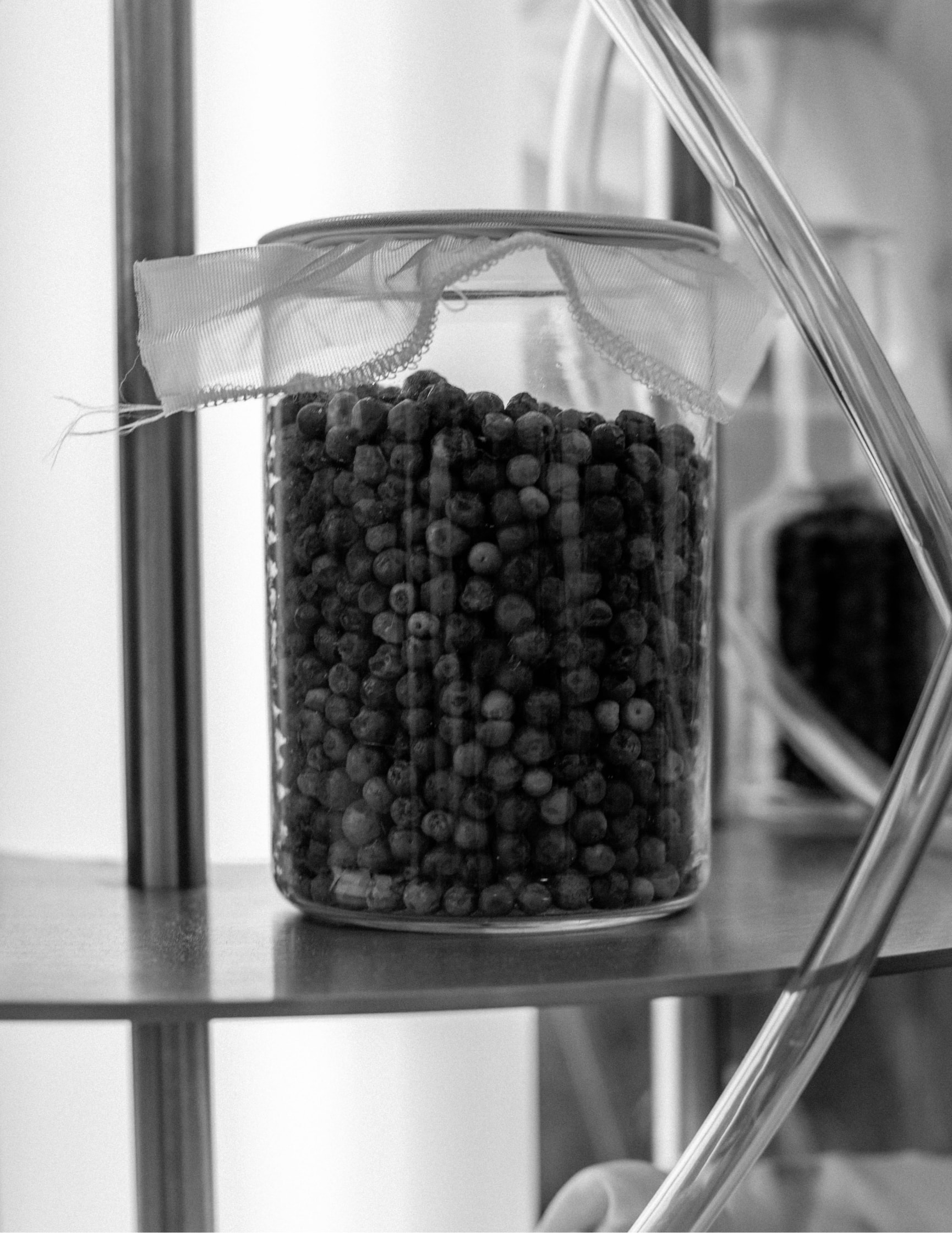
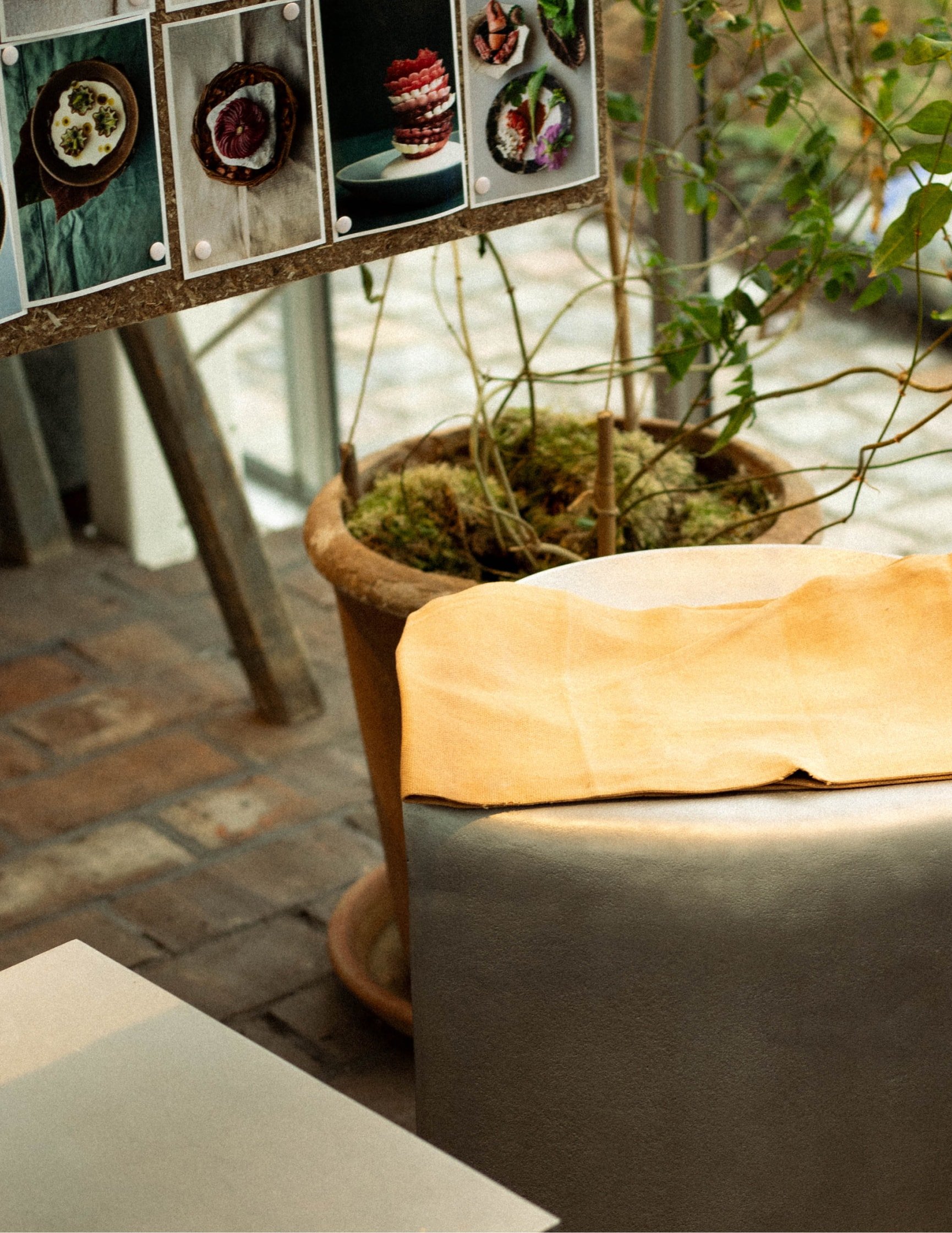
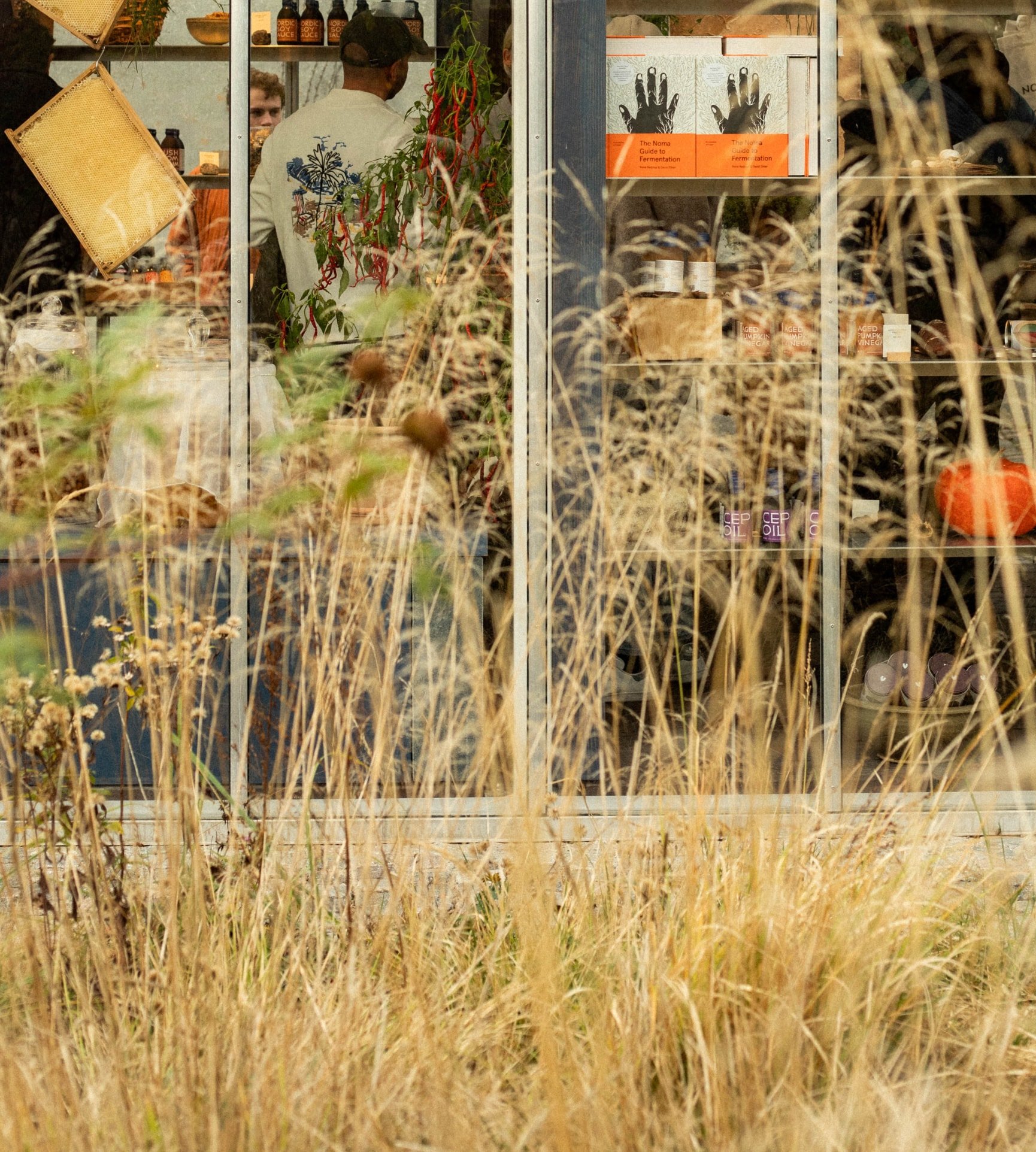
When you enter the shop, you meet a long table with ingredients that invite you to interact. And that is the whole intention within the Flavor Shop: it is okay, you are allowed to, and you have to.
The idea was to give the space a laboratory feel. There's the finished product, but then there are also all the steps that lead up to it. We wanted to show people the process, the ingredients, the flavor. But not like in the classic laboratory way, but making it a little bit more, I wouldn’t say theatrical, but for sure more intriguing.
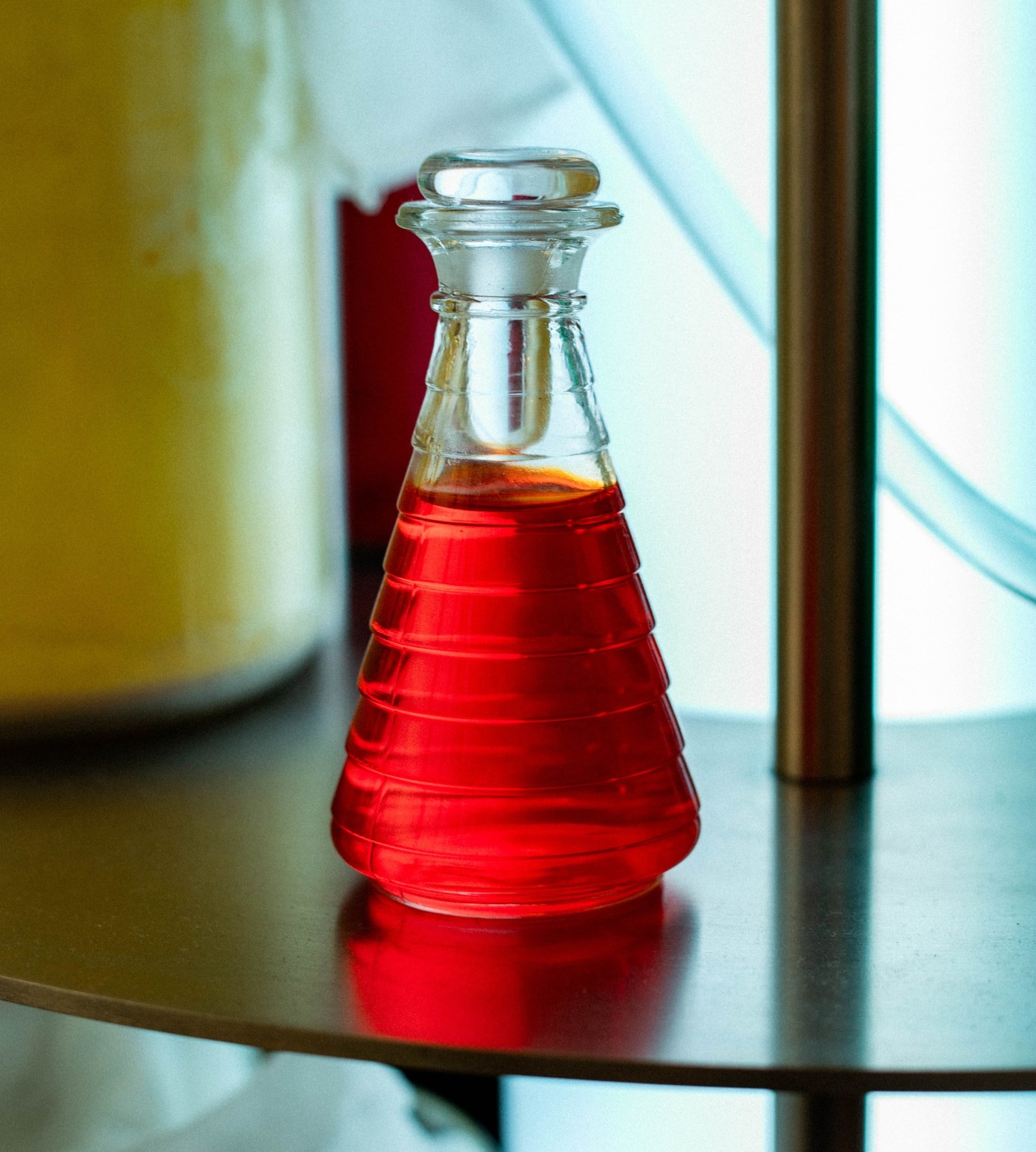
There are the glass jars, which are more traditional but also more artistic; there’s a lot of craftsmanship in them. They were especially made for Noma Projects by Holmegaard, a Danish glassblowing company that’s been doing that for hundreds of years.
And then there are other elements like the light totem, which has a way more industrial laboratory feel to it. It’s intentional that it seems to belong more in the world of a quantum computer, or a nuclear power plant, or something like that. So, again, it's also about contrast, about framing the universe.
It was challenging, I wouldn't lie and say it wasn't. It was trials and errors and failure, and then you end up doing something that works, actually. But you never really know till it opens, right? And I think today is a good example that it actually really does work. It is capturing the essence of the flavor shop, and it is creating an experience.
You mentioned craftsmanship. How do you define craft from a designer’s perspective?
Craft is many things, of course, but it is always about people and something made by hand and man. And to me, it’s always about somebody having the passion to create something unique and different with a lot of personality. That's really, to me, craftsmanship. And of course, also quality. You cannot take quality out of craftsmanship.
“You cannot take quality out of craftsmanship.”
How do you perceive quality?
Quality can be a well-written text or a composed piece of music. But of course, quality is also in terms of materials. So when you create an environment or a space like the Flavor Shop and the Coffee Shop, it's very much about using materials that can stand the test of time – the wear and tear from being used every day by many, many people. So it's not just something that is beautiful for a very short time. To me, it's important that it becomes more beautiful with wear and tear.
We picked the materials here for many reasons, but especially for the durability and for the tactility, and of course, also beauty.
What’s the main driver of your creativity?
I'm driven by passion, I'm driven by people. I love being with people who are very passionate. Then I get very passionate and more creative. I kind of feed on others' creativity.
Also, when they are nerdy, I love nerdy people. Because when you are nerdy, you are also really into what you do. And I think just to be at a place like this, Noma Projects and Noma, that whole feeling is really like...there's so much creativity and nerdiness, and people are really into what they do. And I think that's super inspiring.
“I think dressing up is about comfort, about enhancing your personality in a way.”
How would you define your style?
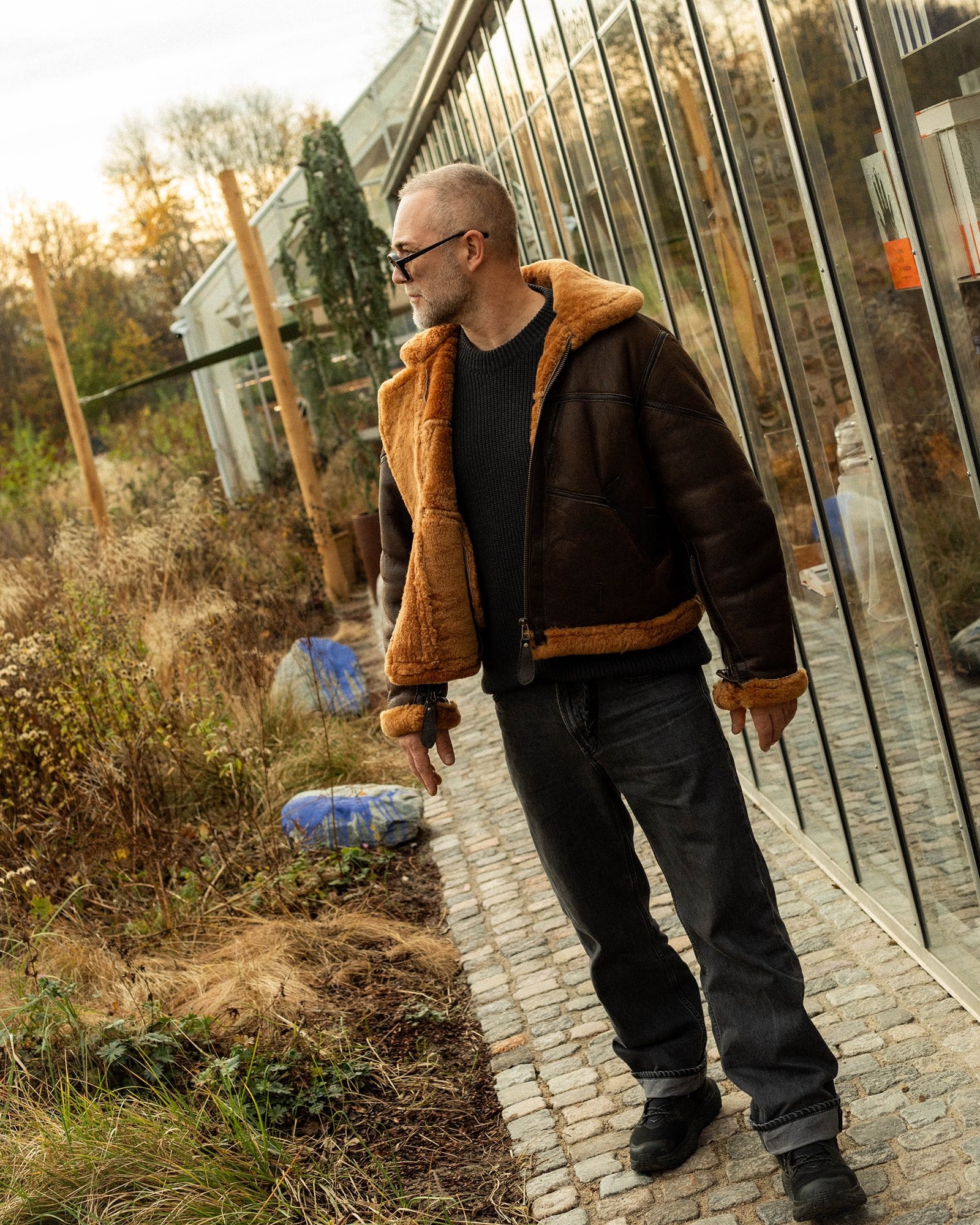
Style, to me, is about personality. I guess we can all relate to the experience of dressing up in something that’s not really you and end up feeling uncomfortable. I think dressing up is about comfort, about enhancing your personality in a way.
I'm drawn to things that are made well. And I'm also drawn to simplicity, where the details are right. The quality, of course.
But ultimately, I think the most important thing is that clothing makes you feel good and embraces you. That's number one.
What is next for you?
Oh there are a lot of things. An apartment in New York currently. We’re finishing another apartment, a big apartment in Tokyo. A restaurant in Glasgow. And a dream project, which is that we are doing a speaker…The most beautiful speaker in the world.
Further Reading
Designing for lasting impact with Muyiwa Oki
Architect and former RIBA President Muyiwa Oki on the power of reconstruction and using his own success to open doors for a new generation