Made for... Rolf
Visual artist Rolf Sachs on emotion, simplicity, and the beauty of imperfection.
Welcome back to Made For, our new editorial series that explores the lives, passions, and perspectives of our customers, celebrating their personal style and what makes it their own.
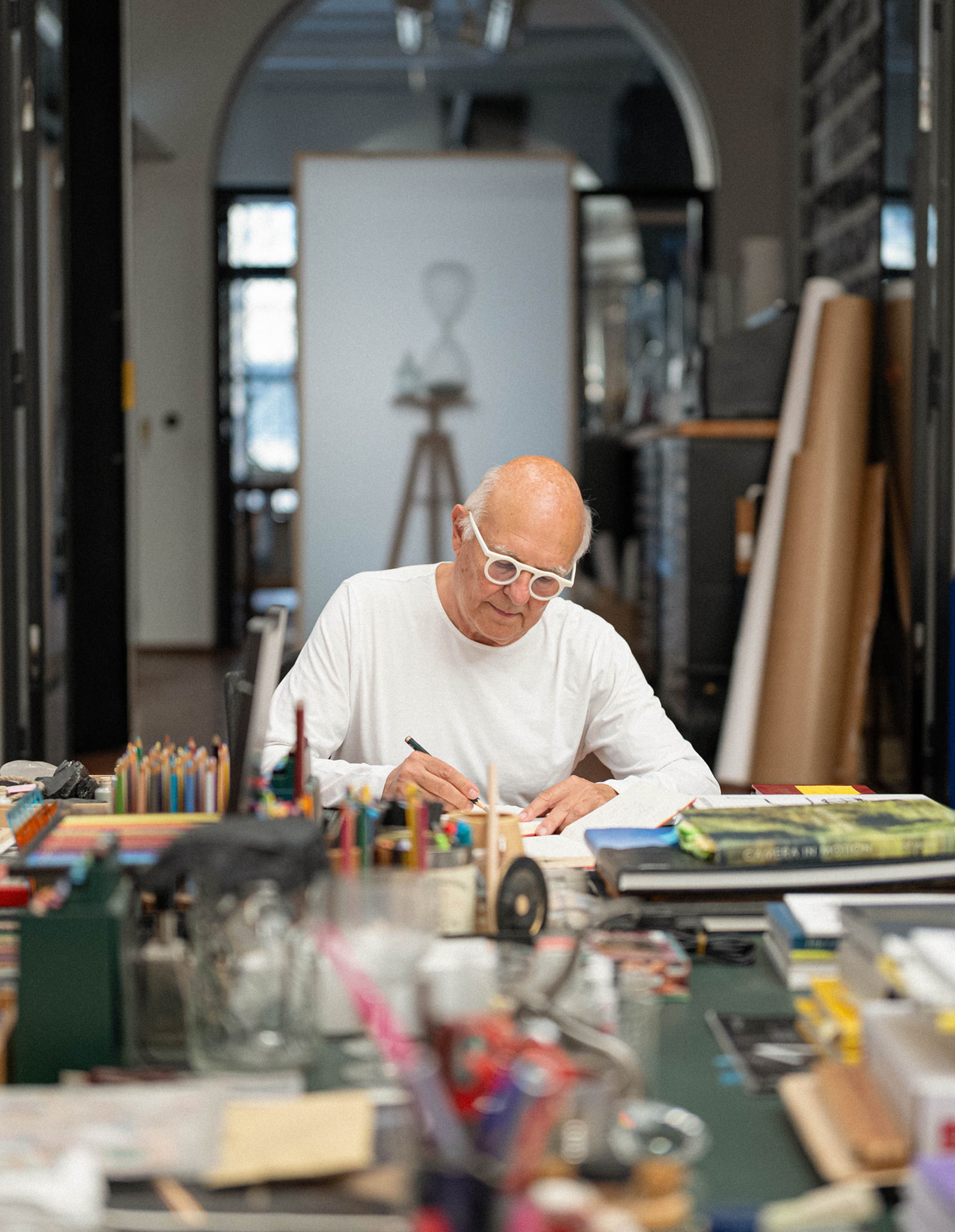
In our second edition, we speak with Rolf Sachs, the Swiss-German artist based in Rome, known for his multidisciplinary approach that blends design, art, and emotion. Guided by empathy and curiosity, Rolf celebrates imperfection, coincidence, and the simple beauty of everyday objects – finding meaning where others might overlook it.
What first drew you to experimenting with different materials and objects in your unique way?
I think first my approach is always very empathic. It is about people… About their values, about respect, about tolerance. That's basically the inner ethos of my work.
In that, I also nurture a deeper understanding of what life really is. Emphasizing and trying to find the beauty in imperfection, and also in coincidence.
A lot of things in our lives are a coincidence. How we are built, how we feel in our skin, how the DNA aligns from our parents. All this has to do with coincidence. So, that is something which also at the moment preoccupies me very much with the latest work I'm doing.
© Rolf Sachs Studio
Much of your work balances functionality and emotion. When you create a piece, what comes first – concept or feeling?
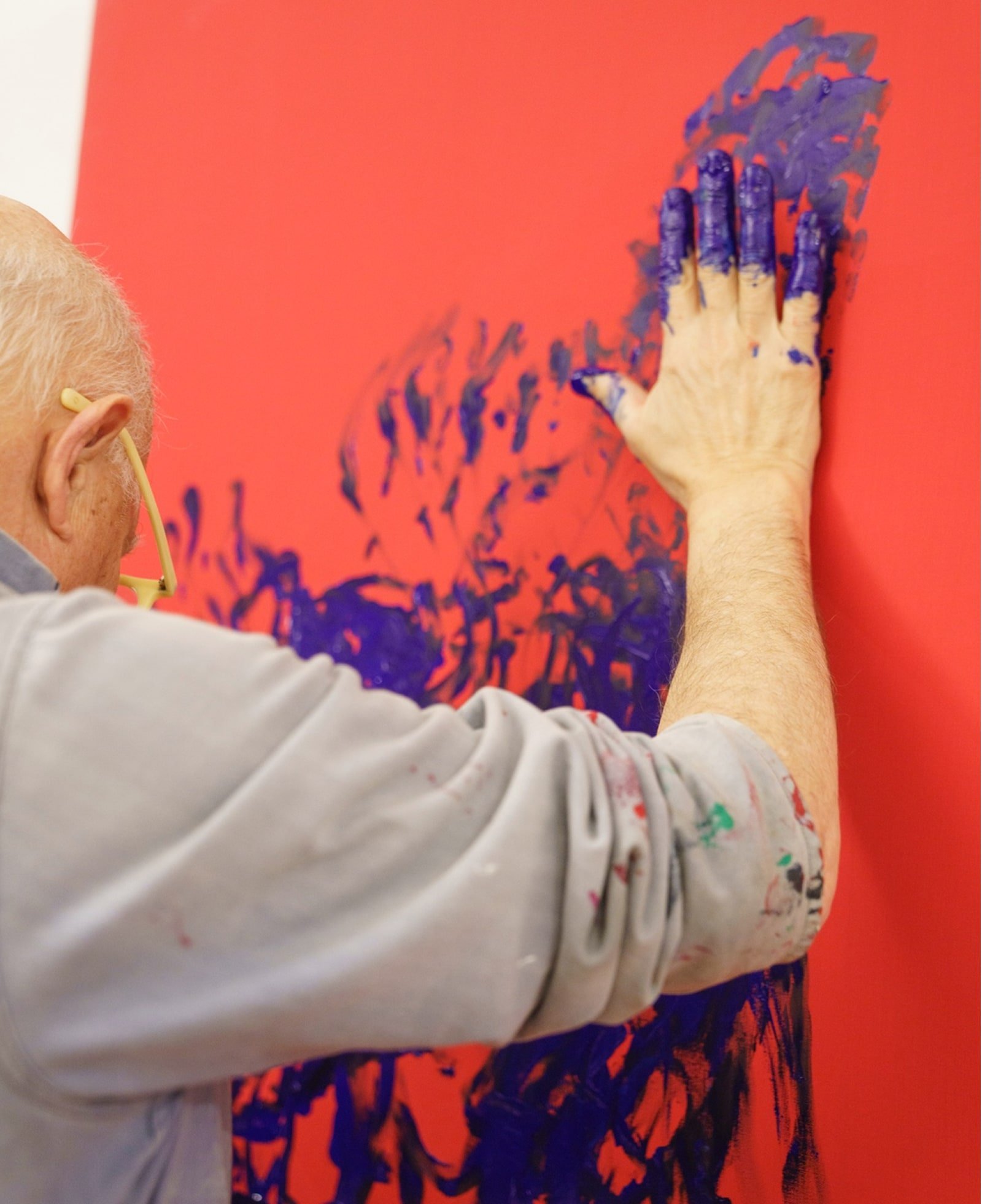
In everything I do, in every discipline, whether it is design or photography or painting or sculpture… there's always a concept behind it. A typical concept I have, which has to do again with coincidence, is that I make long exposures in photography. That I deconstruct my design objects and that everybody can basically put them together as they want. All that is rooted in coincidence.
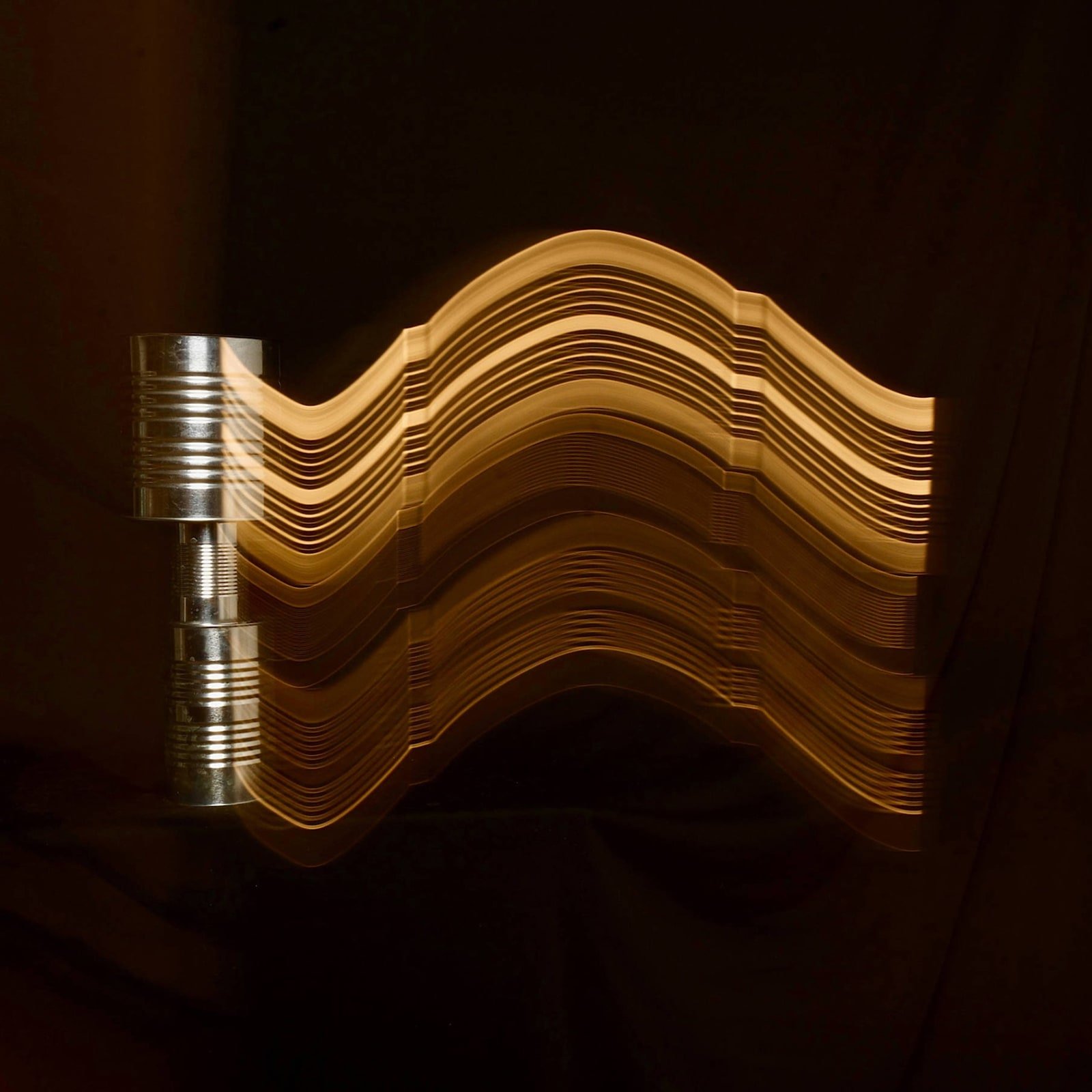
Rolf's Soudronic Cans © Rolf Sachs Studio
How does the atmosphere or the place you’re at influence your work?
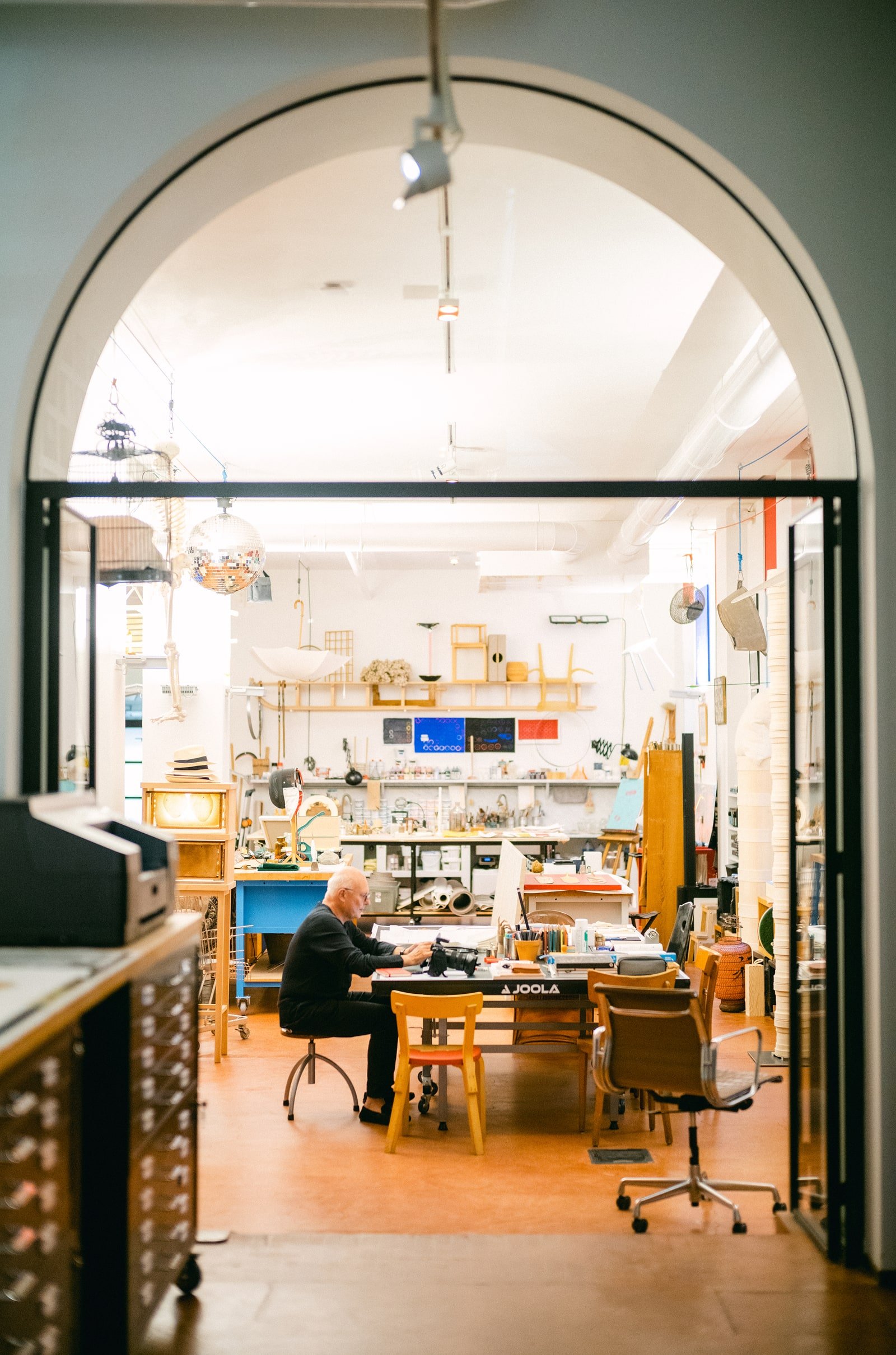
I think that there are places, or towns, which work for an artist, some which don't. And now people ask me very often: “Are you influenced by the beauty of Rome?” And for me, that is secondary. For me, the most important thing is that you feel free in that town, that the people populating it have an open mentality.
Personally, I think that every artist's childhood is a very, very important factor. That's why I do a lot of things with my school memories. I use a lot of scientific flasks and objects, which we all remember from chemistry class. And on top of it, they don't have a design. They're just functional – there is not an aesthetic part, where you try to make it more beautiful. It's not decorated.
So it's a very simplistic approach, and away from decoration and much more towards emotion.
© Katja Meuli
Can you think back to an anecdote on a specific project that you feel very connected to?
I feel connected to quite a lot of projects. And each one, when you do it, when you start it, you are dedicated to it. And then it becomes special.
While you work on a project, you're totally concentrated on it. And you think it’s fantastic. And then you suddenly have a new idea, and you develop it. Of course, occasionally, the idea in the beginning seems fantastic, and you're super excited about it. But, two months later, you say, no, actually – it's not really valuable. I call it very often that you have to digest an idea, and some, you expand. And very often I do pieces which I think are absolutely rubbish. They don’t really ‘have a life’ to them. And then over time, sometimes, they get a life.
That's why I mean a lot of collectors in art, they say, you shouldn't buy what you like. You should buy something that you find intriguing, but perhaps aesthetically not even that likable. But over time, it will grow on you.
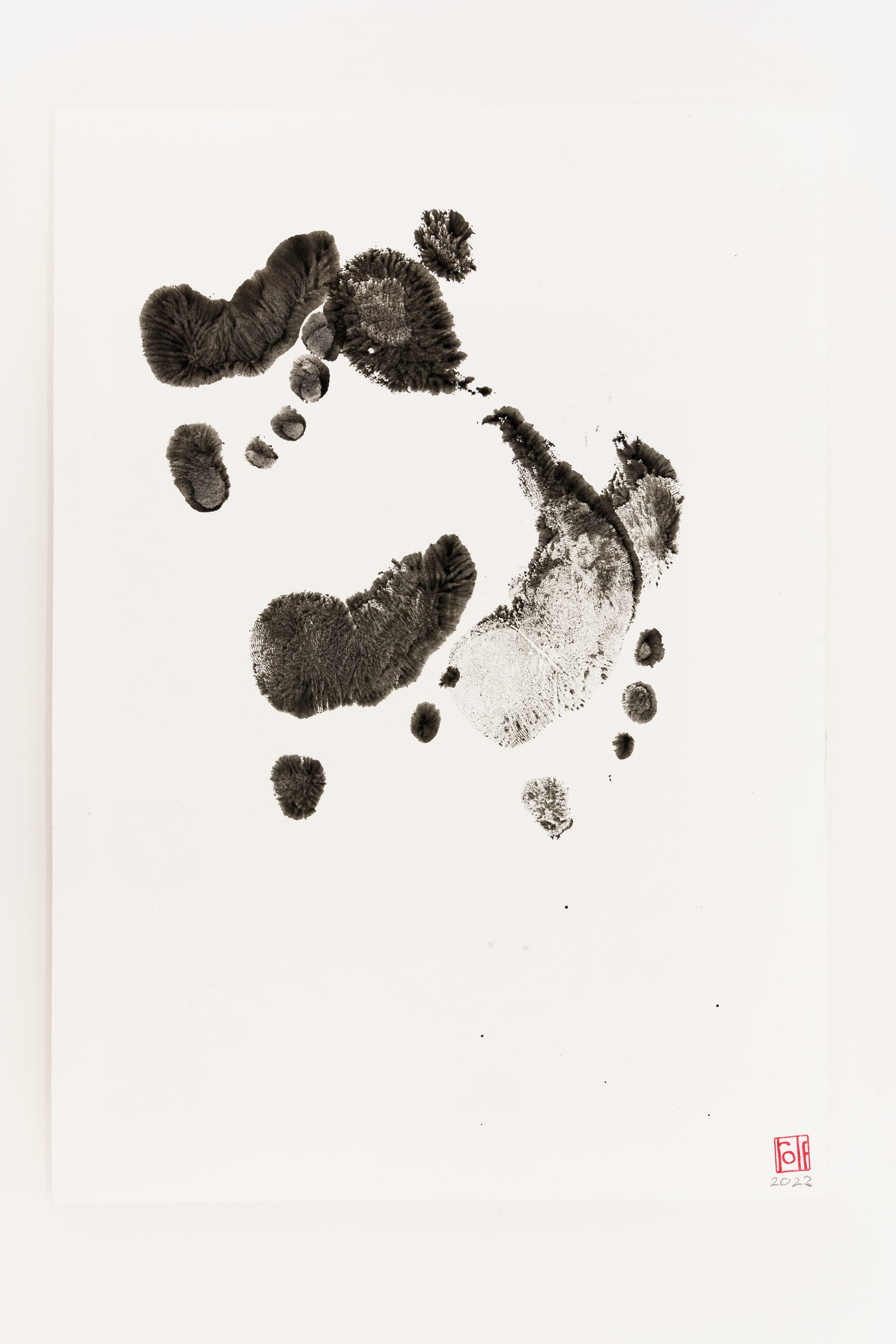
Paw 2023 by Rolf Sachs © Rolf Sachs Studio
At Son of a Tailor, we believe in creating clothing that lasts and grows more personal over time. Is there a piece in your wardrobe that holds that quality for you?
I have many pieces in my wardrobe that I like, and my personal style aligns well with your principles. I consistently wear solid colors and only long-sleeved items, never short-sleeved.
My seasonal wardrobe varies: in the winter, I primarily wear black jeans, while in the summer, I'm mostly in skirts, opting for pareos during the day and caftans in the evening. As I often say, "In the summer, I look like a parrot and in the winter, I look like a crow."
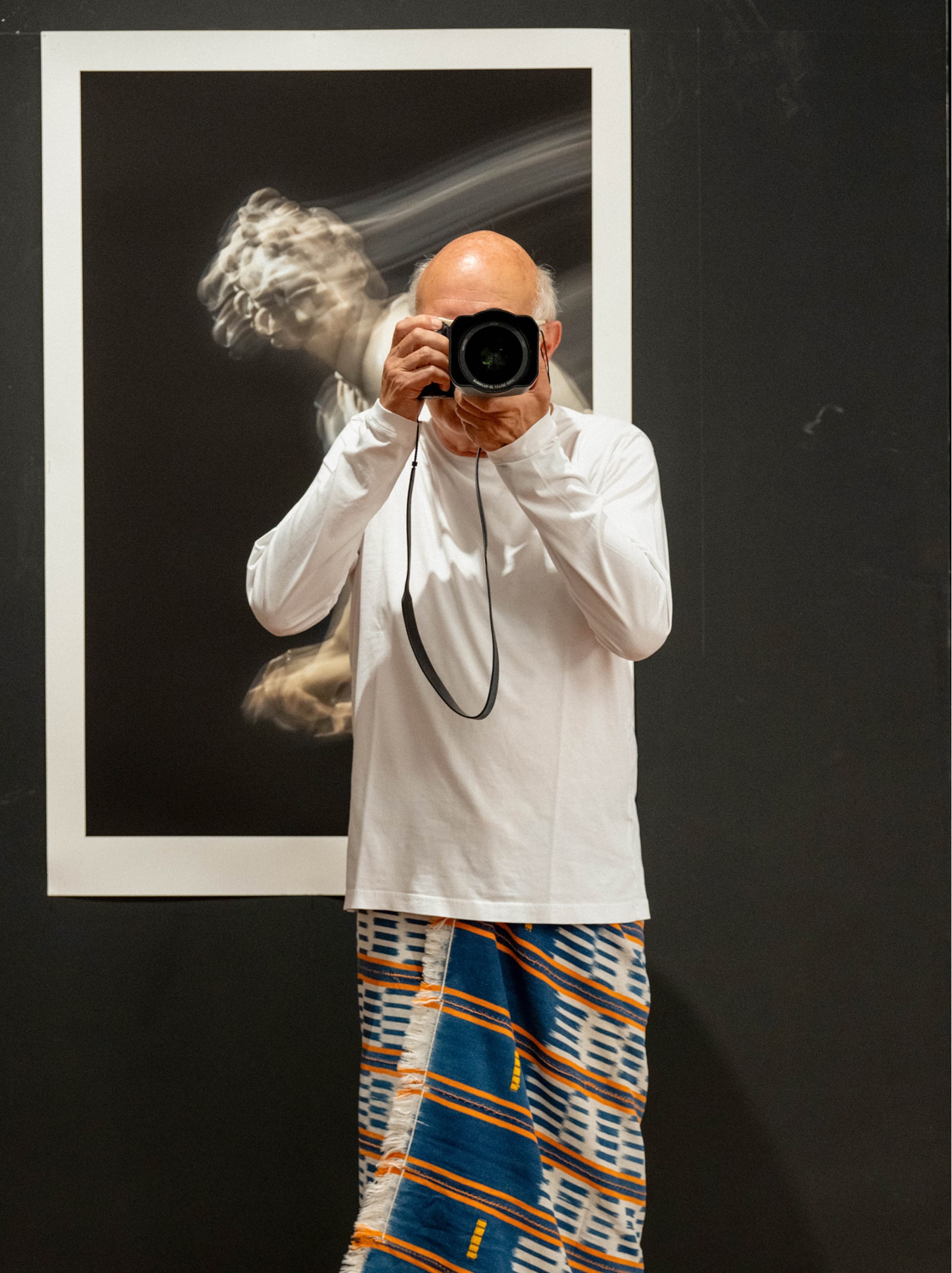
All of my Son of a Tailor items are long-sleeved T-shirts, and I truly appreciate the beautiful products you create. Your company's philosophy also resonates strongly with my own approach to attire.
Further Reading
Designing for lasting impact with Muyiwa Oki
Architect and former RIBA President Muyiwa Oki on the power of reconstruction and using his own success to open doors for a new generation