Designing for lasting impact with Muyiwa Oki
Architect and former RIBA President Muyiwa Oki on the power of reconstruction and using his own success to open doors for a new generation
The genesis of Muyiwa Oki’s career as an architect wasn't a boardroom, but an art classroom, one with the largest windows in a building and timber floors. "It was a space where you could make a mess," he recalls. "And which kid doesn't like making a mess?" It was here, with the encouragement of his teacher Mr. John, that Muyiwa began to think at a large scale. He wasn't just drawing, he was learning that the environment around you dictates the scale of what’s possible. Decades later, as the first Black president of the Royal Institute of British Architects and the youngest one in its modern history, he would use that same scale to shift the industry's focus toward reconstruction and working with dignity and equity, ensuring the profession’s future is as diverse as the cities it builds.
For Field Note #6 — our series on people shaping culture through craft, creativity, and care — we meet Muyiwa in South of London, the part of the city where he lives now, though his loyalties stay firmly north of the river. "North of the river has all the culture," he says, unapologetically. Together, we explore what it means to break professional ceilings, build with intention, and use success to create something larger than yourself.

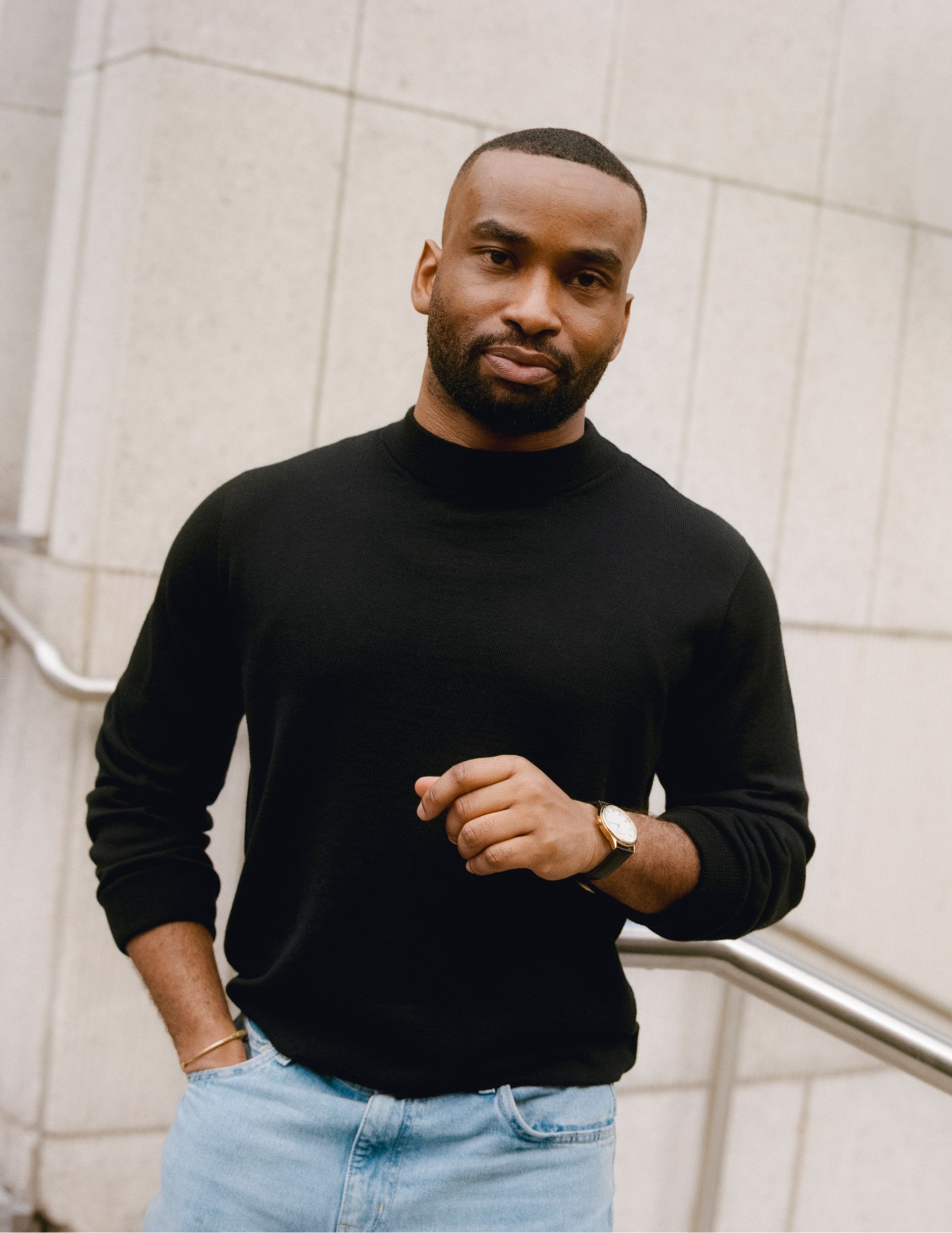
Breaking the glass ceiling: RIBA presidency
The early freedom of the art classroom to experiment eventually collided with the rigid realities of the architectural world. Moving from Nigeria in the early 90s, Muyiwa navigated a profession often defined by "hustle culture," a system that rewards those who can afford to work long hours and live in cities like London. "I tell my mentees: get your qualification done as quickly as you humanly can,” Muyiwa advises. He responded with a “blistering pace” of his own, securing his chartership fast, a key prerequisite to becoming the first Black and the youngest president in RIBA’s history, earning a shot to directly shape what gets built and who builds it.
He used the coveted position as a tool for systemic change, launching the "Retrofit Roadshow" to bring adaptive reuse into the national spotlight, modernising how the profession operates, and fighting for equitable conditions for younger architects. "Success," he says, is "to be in a place where your opinions matter, where you can lead with dignity and equity." Not just for himself, but for the next generation.
“Success is to be in a place where your opinions matter, where you can lead with dignity and equity.”

From social spaces to reconstruction
Muyiwa defines architecture by its use. Borrowing from sociologist Henri Lefebvre, he believes that a social space is a social product. In other words, space is never neutral. It is created, and reflects the values of the people who built it, but it only succeeds if it mirrors the values of the end user, too. "When we organise space, we need to organise it socially — in concert with the community.” It’s what draws him to public projects. In commercial work, the client and the end user are often different people. In public work, they are the same. "I like doing public buildings. The client clearly knows who the end user is because it's all of us.”

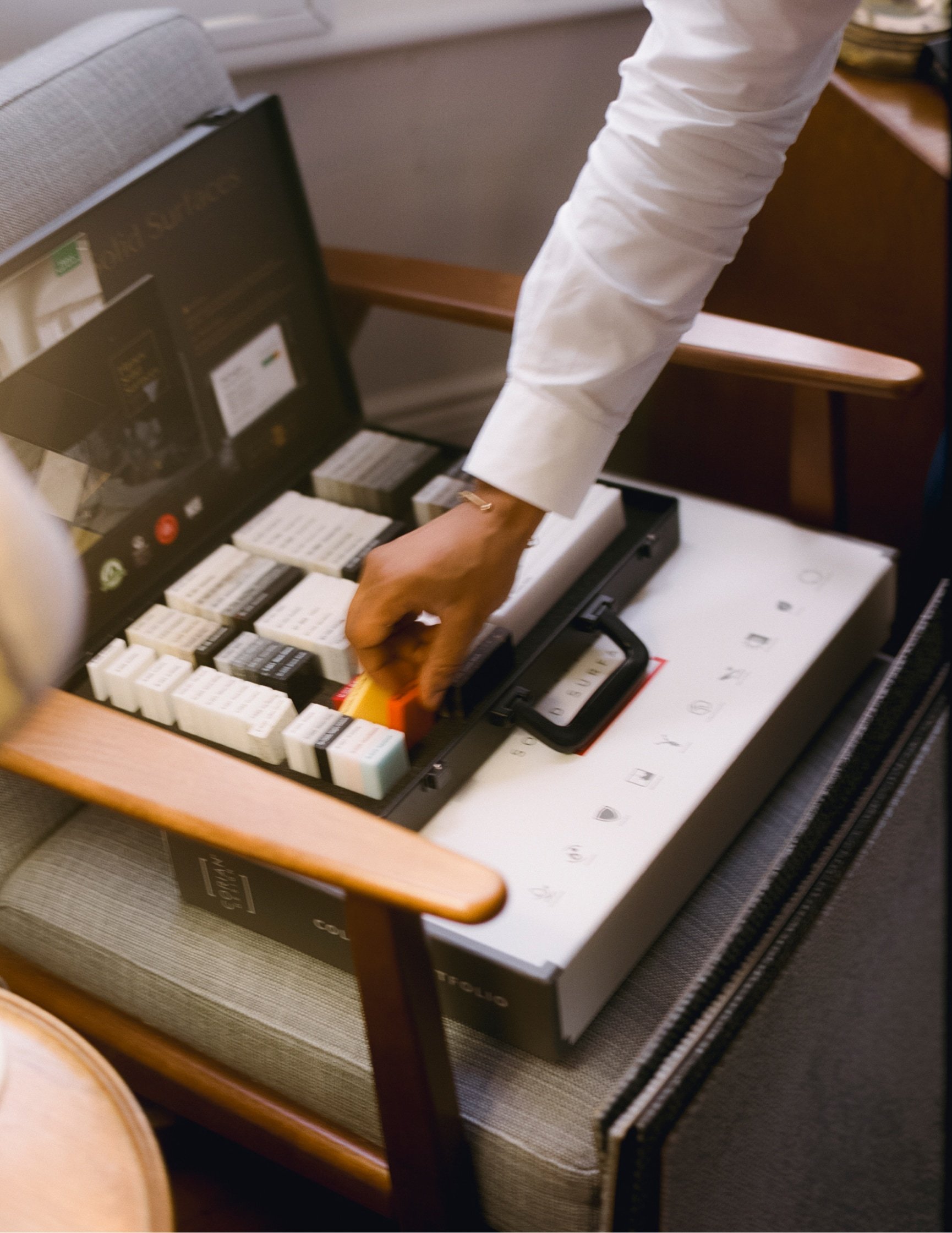
“When we organise space, we need to organise it socially — in concert with the community.”
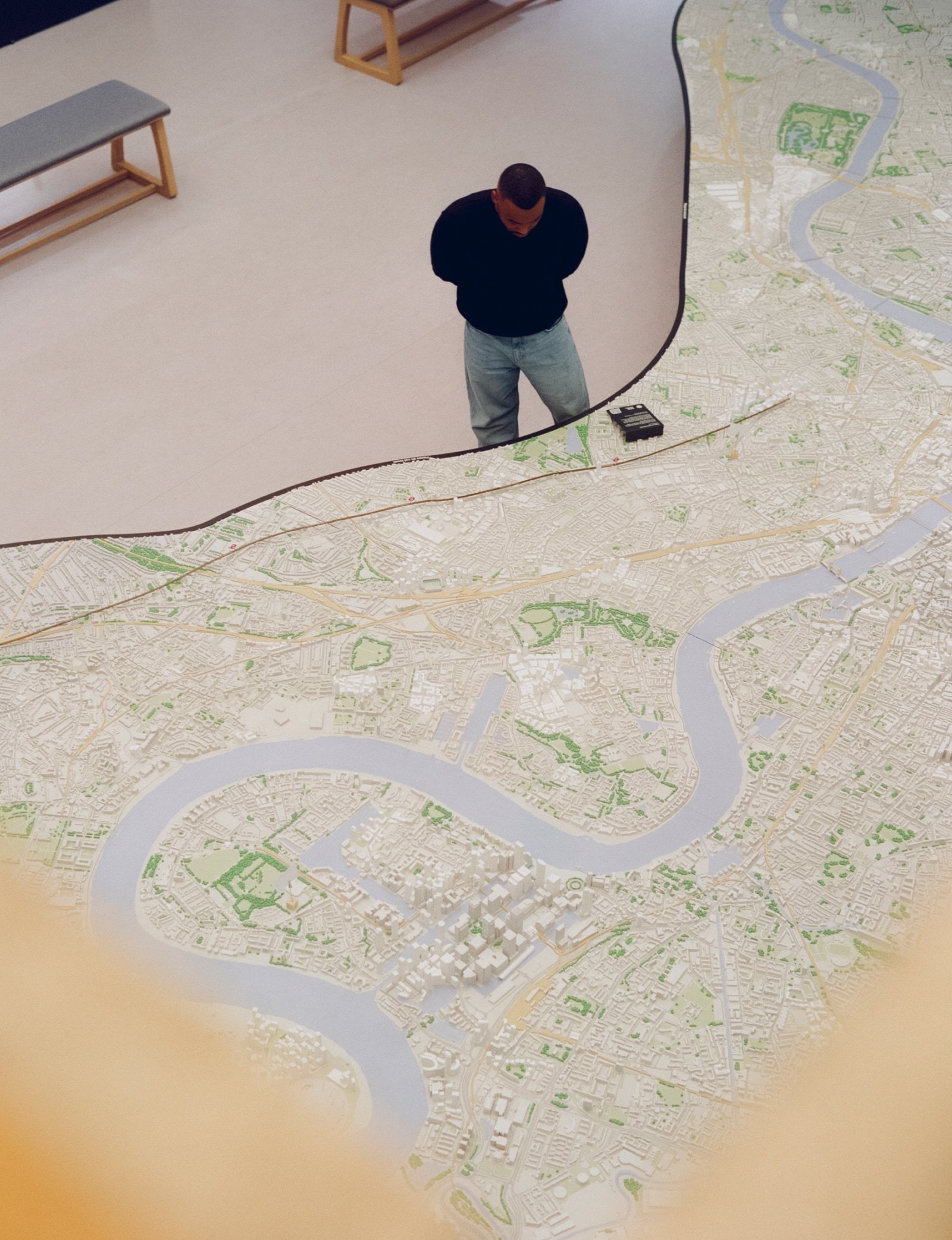
Much of Muyiwa’s work focuses on pursuing longevity over newness. He specialises in reconstruction: taking existing buildings, stripping them back to their structural core, and bringing them up to a standard that makes them useful for the next fifty years. “Eighty percent of the buildings we’ll be using in 30 years already exist. If we care about the future, we have to work with what’s here.” He often sees London itself as a masterclass in reconstruction. Ride the Elizabeth line and pay attention to the stations. Most people pass through without registering the design. Look up inside King's Cross at the wrought iron trusses. "They weren't built with an assumed expiry date." Those buildings were made to last a century and they have.
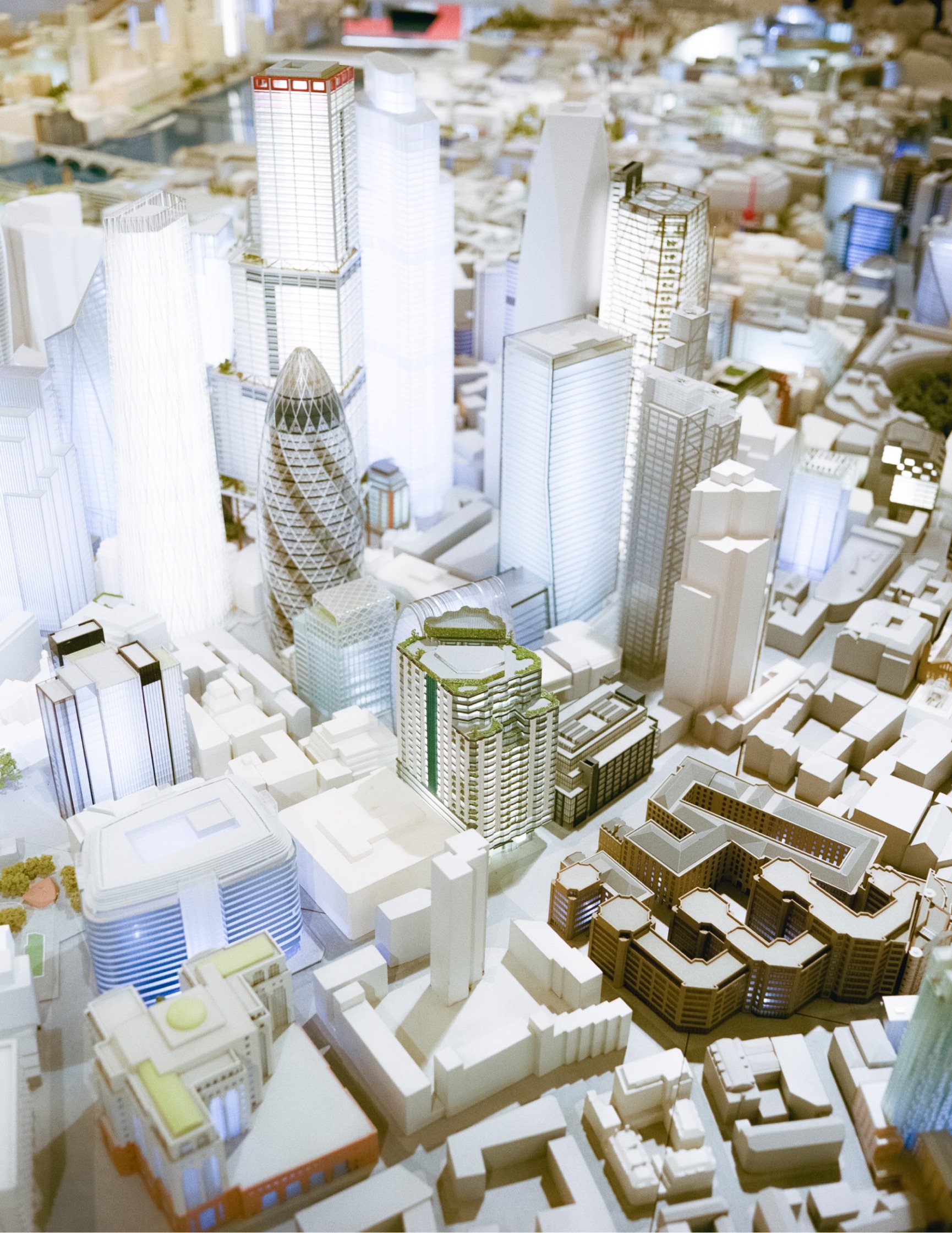
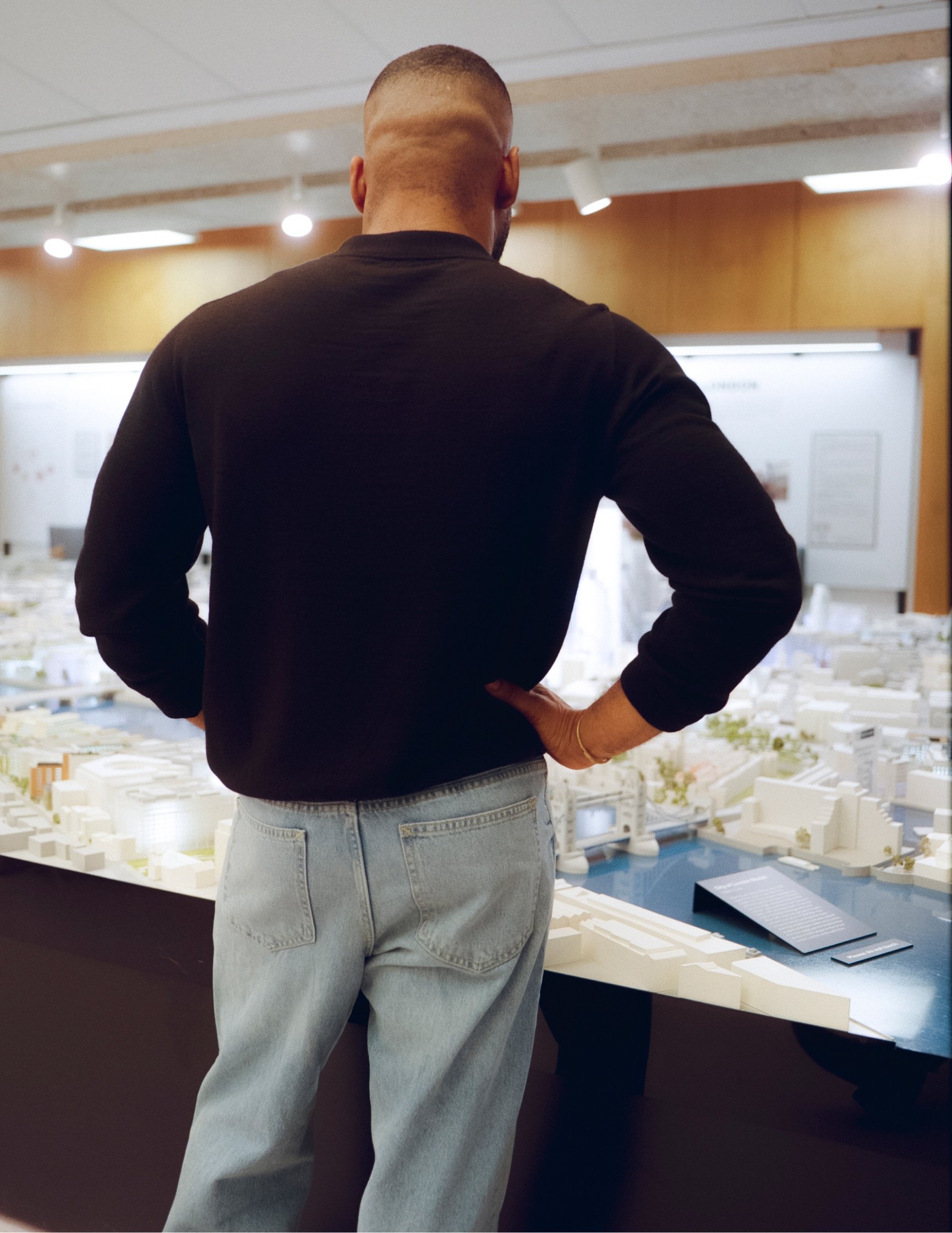
“Eighty percent of the buildings we’ll be using in 30 years already exist. If we care about the future, we have to work with what’s here.”
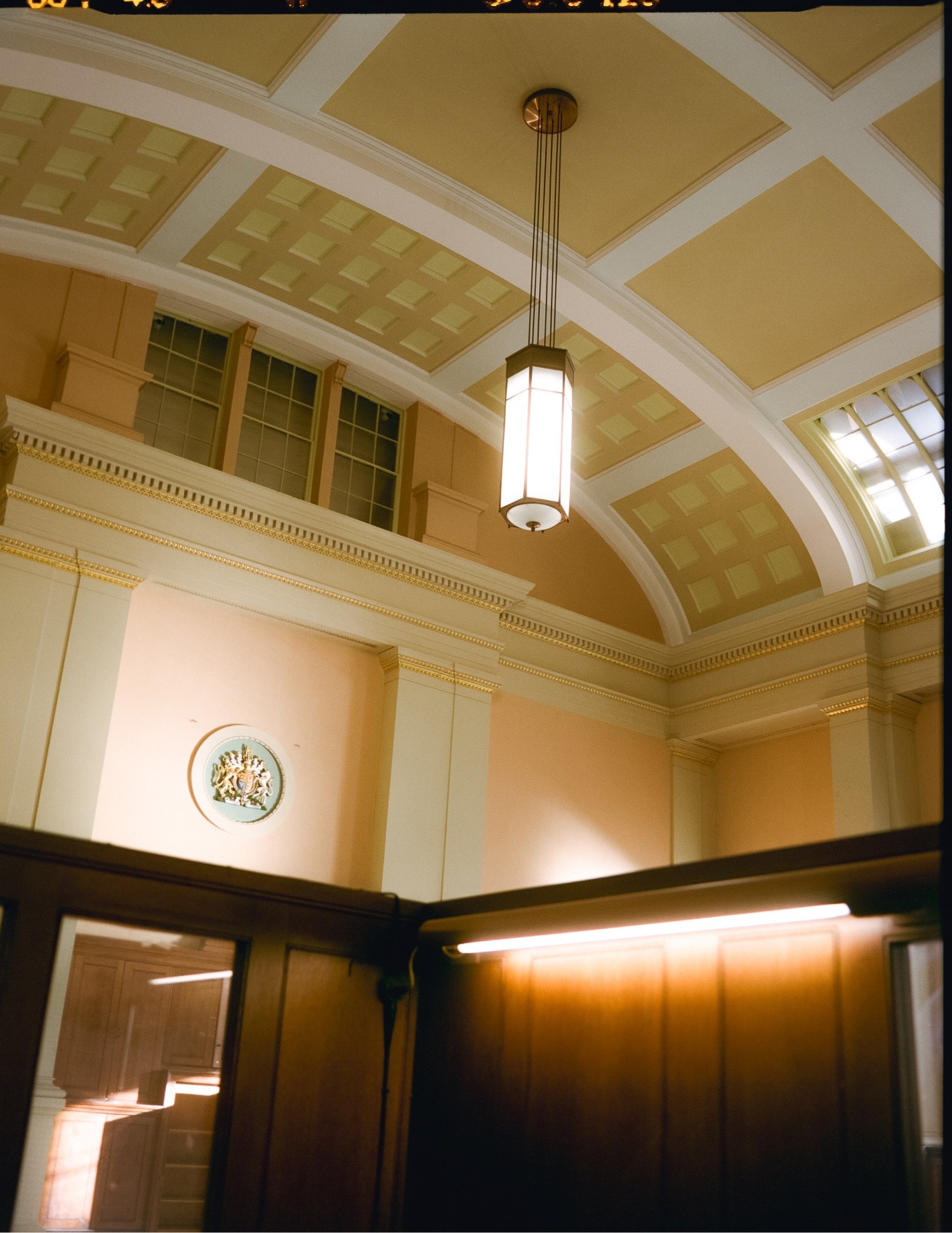
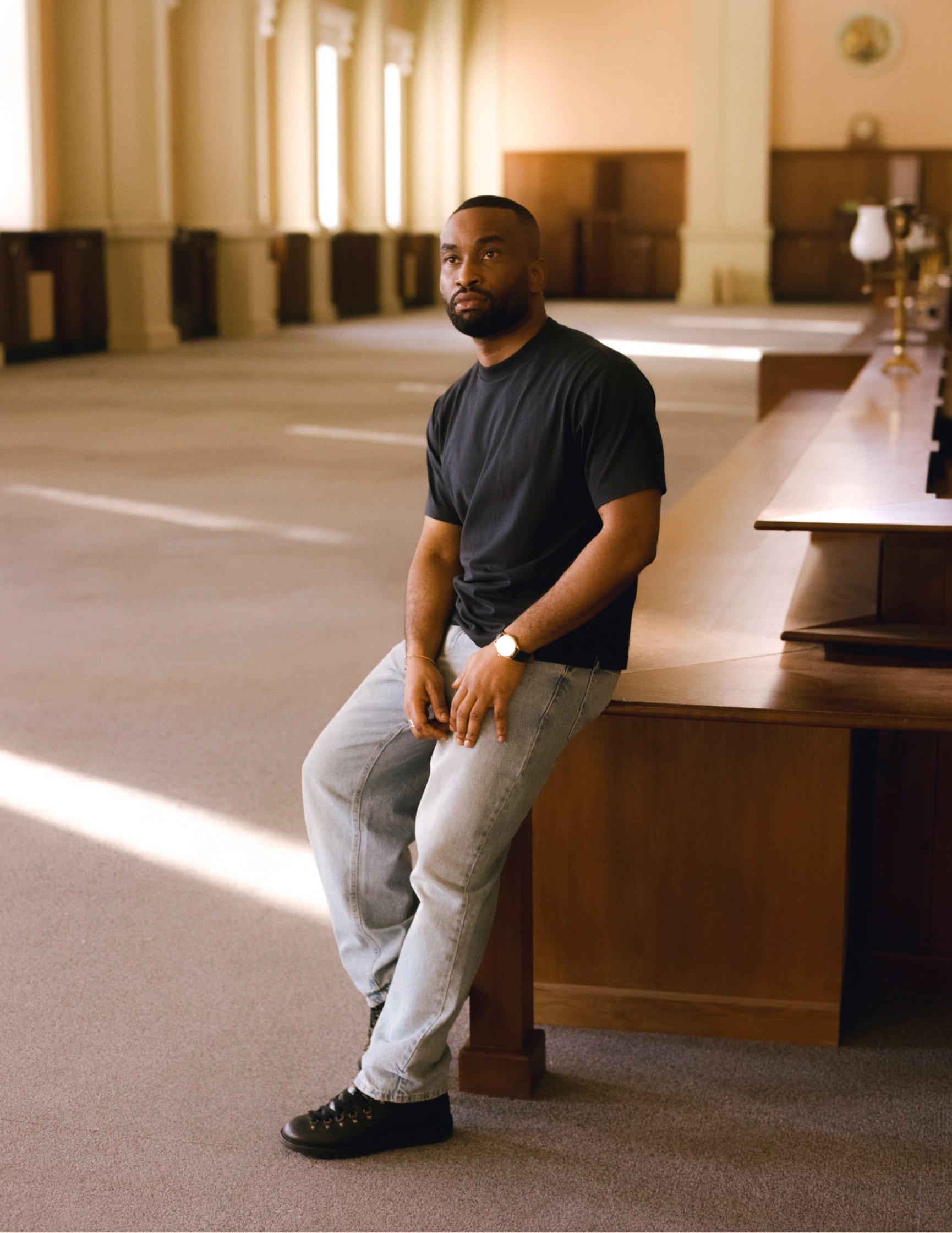
Paradoxically, it’s the constraint of having to work with the existing that appeals to him the most. “Architecture and design in general work better in constraints. I'm less drawn to projects where the site has no boundaries, and there’s nothing you're designing with or against.” He put the appetite for constraints to use with Custom House in London. A Grade-listed landmark in a prime location facing the Thames, the building sat unused for years, eventually falling into disrepair. The challenge with Custom House was as much financial as it was architectural. "We had to understand how to make the project stack up without losing the core essence of the building," he explains. By balancing heritage requirements with commercial viability, he turned Custom House into a blueprint for reconstruction: repurposing a historic relic into a boutique hotel, event space, and an urban park for the city.
Longevity beyond architecture
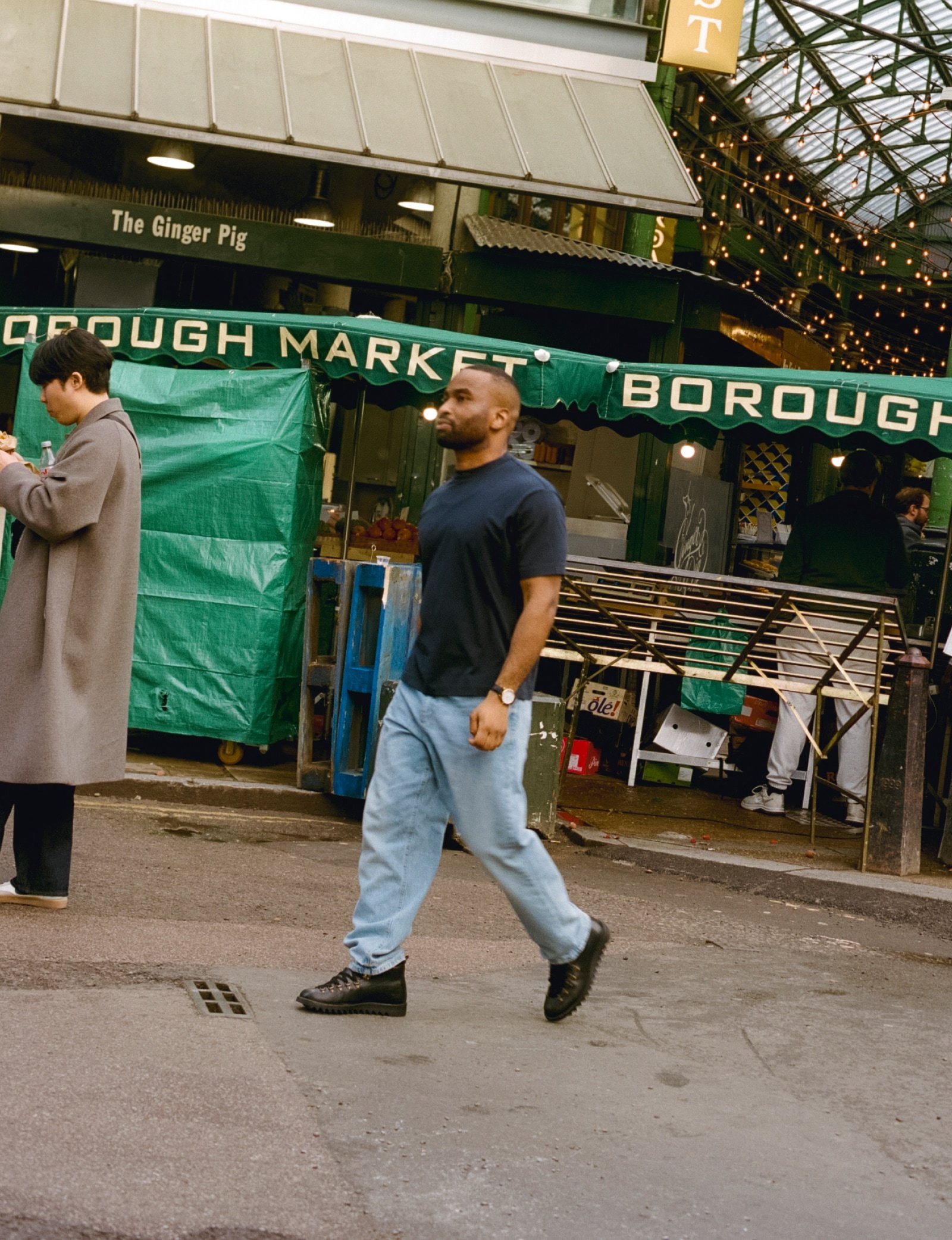
This same intentionality dictates Muyiwa’s life outside the boardroom. Years ago, he moved away from fast fashion in favor of a capsule wardrobe defined by neutral tones and textures that tell a story and tie him back to specific moments and places.
He applies this user-centric logic to the simple act of getting dressed. He views his wardrobe as a "uniform of confidence," a tool used to navigate an industry that can be slow to embrace change. "People judge with their eyes," he says. "The way you present yourself is as important as your voice. Having a good cover helps you get into rooms and build credibility."
Though he moved at a blistering pace to reach those rooms, Muyiwa stays focused on holding the door open for those following behind. He sits on a publication board shaping how architecture is talked about publicly. He keeps a contact list of organisations running programmes for young people interested in architecture, and when someone asks where to point their kid, he knows. "I don't take the position for granted," he says. "The fact that it's opened lots of doors, that's super important."
Further Reading
Behind our Fall ‘26 shoot with Tadaima
In conversation with the founders Emma, Hanne, and Josefine Berzant
Curating Masseria Moroseta
Founder Carlo Lanzini explores, joined by Giorgia Eugenia Goggi, who helms the in-house Moroseta Kitchen, what it means to invite guests into your universe, the benefits of growing your own produce, and bridging tradition with new ways of thinking.