The more we grow, the more we insource
Why we’re expanding our production in Portugal.
Most fashion companies outsource more as they grow. We’re increasingly doing the opposite.
Four years ago, we took one of the biggest decisions in Son of a Tailor’s history and acquired our own production facility in Portugal.
At the time, it went against some fairly conventional business thinking. Manufacturing is complicated. It requires machinery, people, technical knowledge, and capital. Why own it when someone else can do it for you?
But for us, it has worked.
Bringing production closer has improved our quality, our costs and, perhaps most importantly, our ability to innovate. So now we’re doubling down.
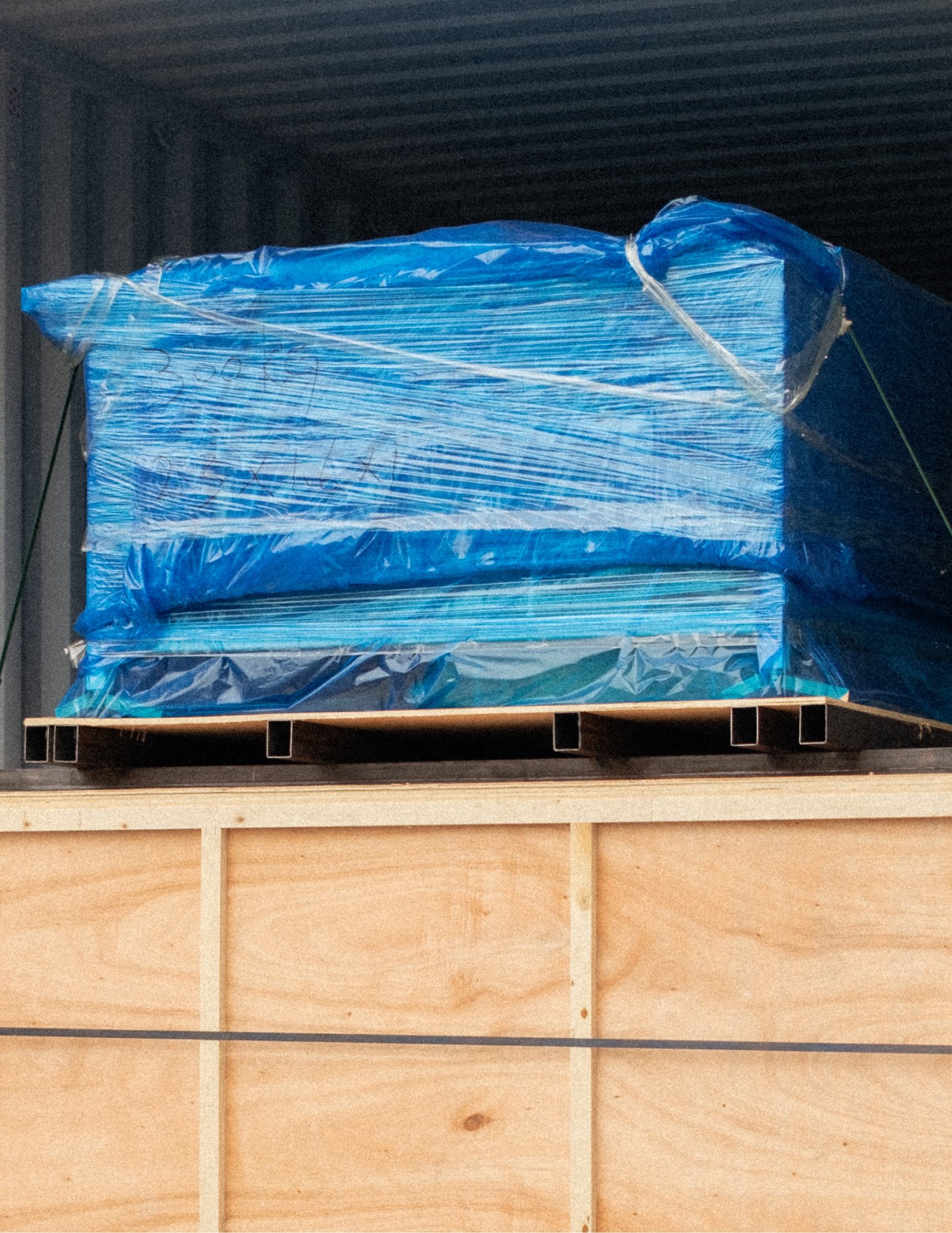
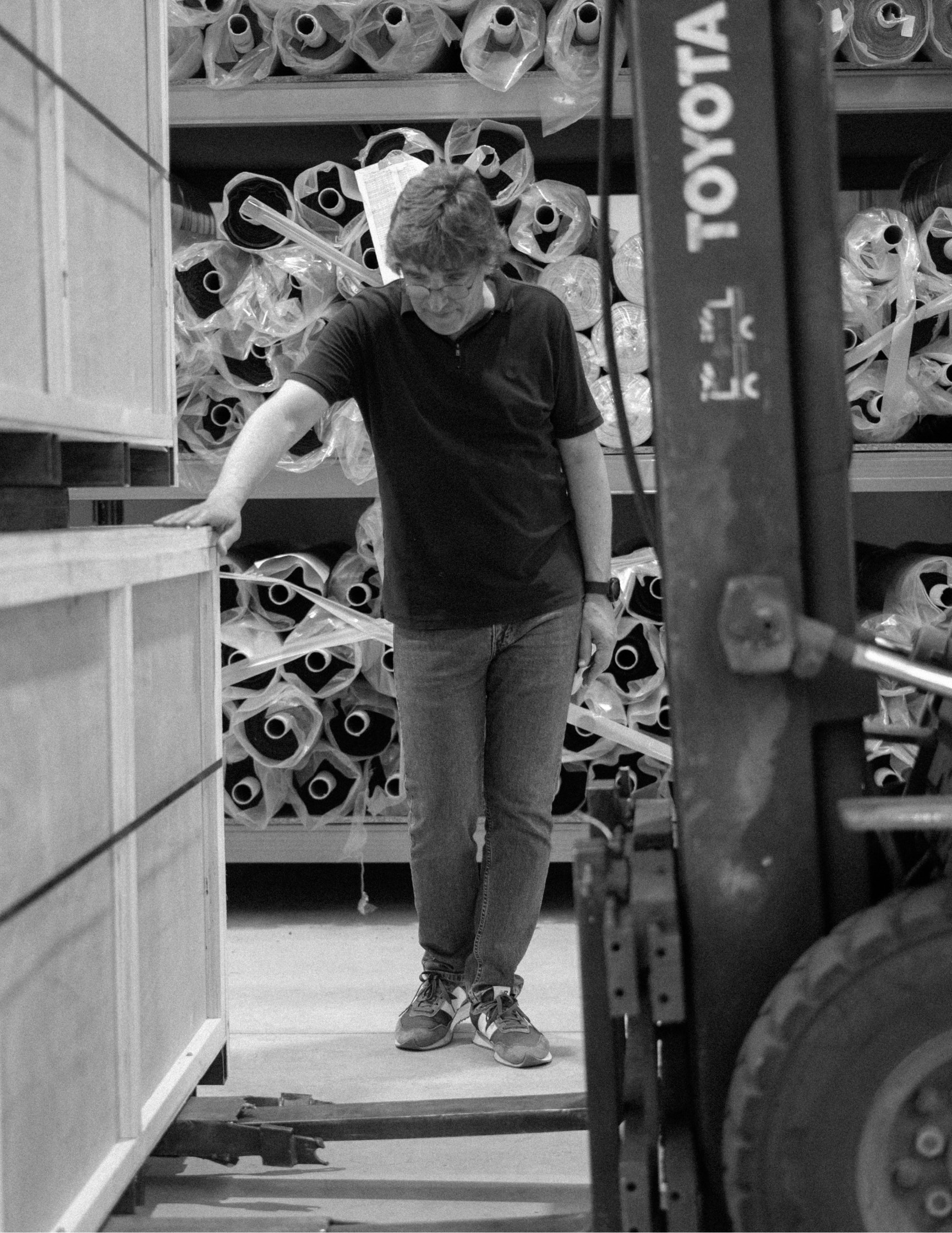
A new cutting machine
This month, a new cutting machine is arriving at our factory in Portugal. It’s our second, and it will roughly double our cutting capacity.
That matters because today we primarily cut the garments that we also sew ourselves. With the additional capacity, we can begin bringing more cutting in-house, including for garments that are sewn by some of our external production partners. It might sound like a fairly insignificant part of making a garment. It isn’t.
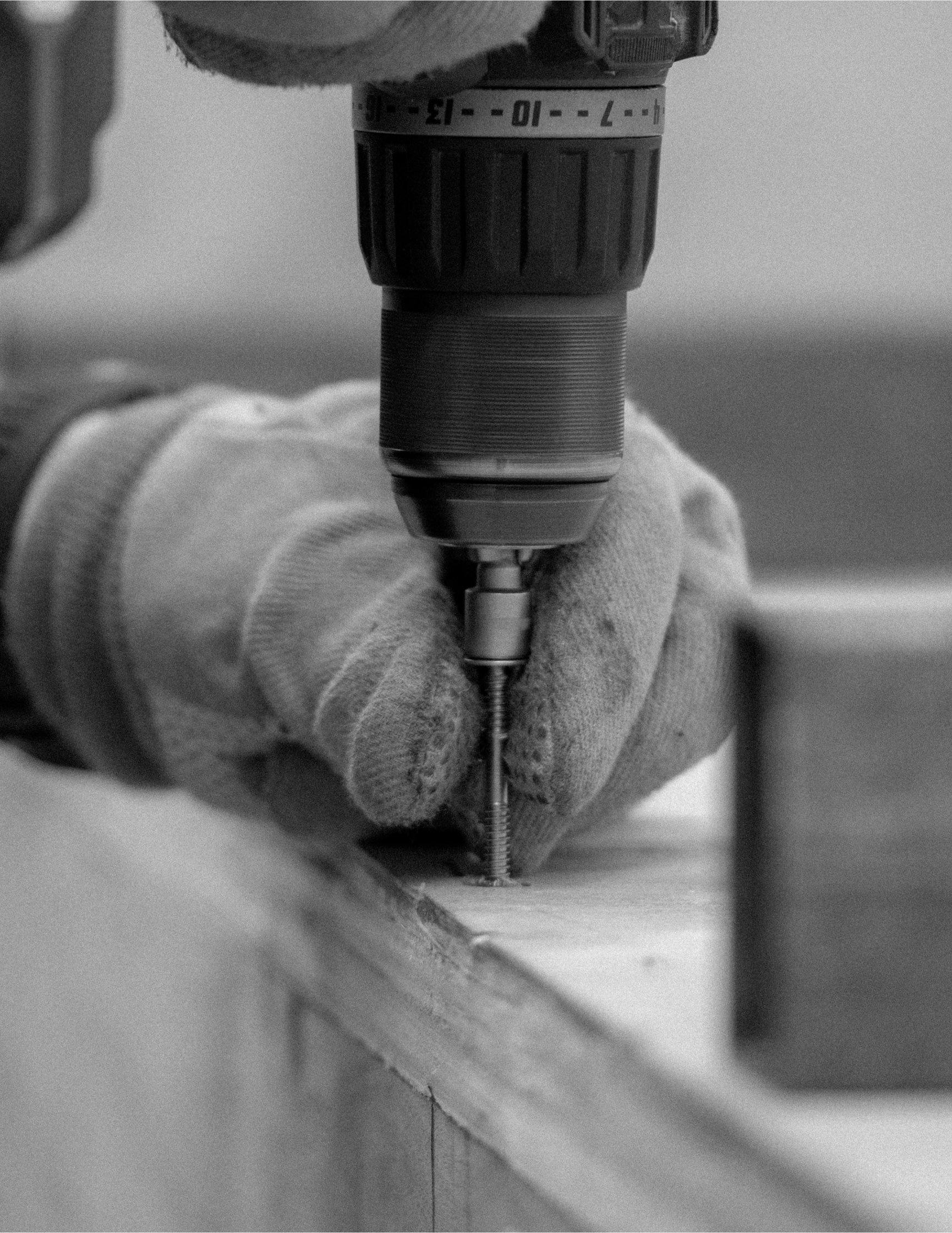
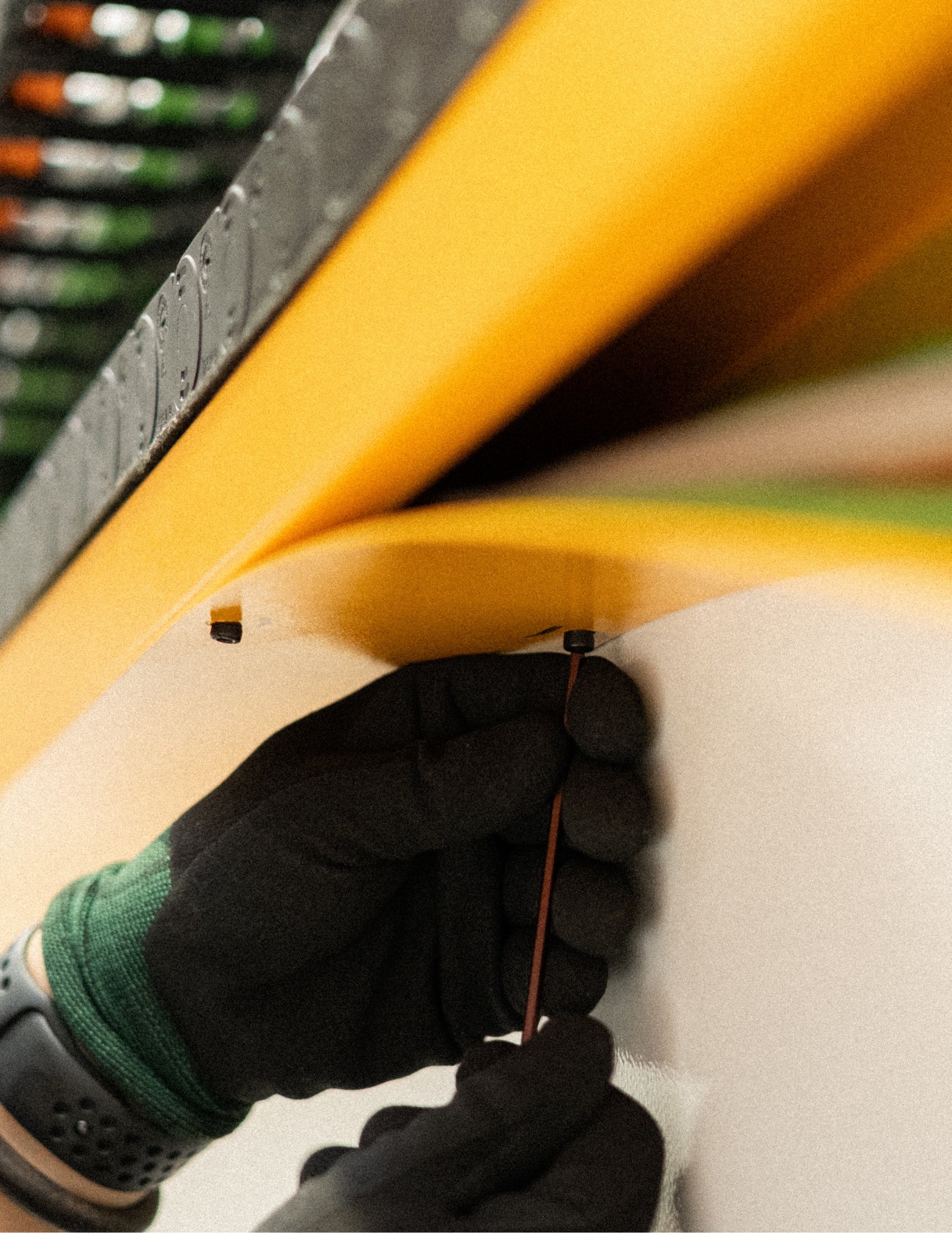
“Perfect sewing can’t fix an incorrect cut.”
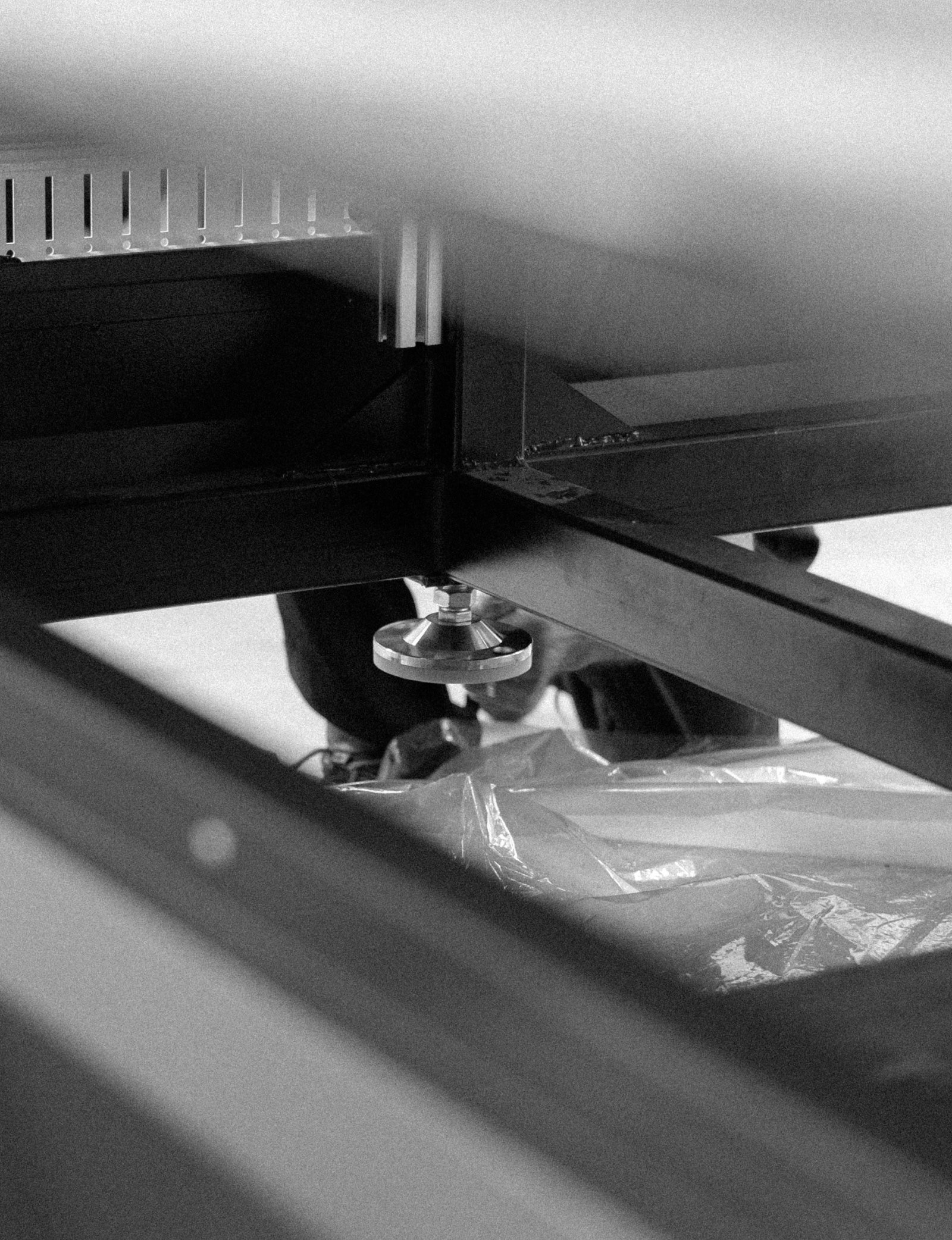
Where the garment gets its shape
Cutting is the moment where a digital pattern becomes a physical product.
Before this point, your garment exists as measurements, calculations, and digital pattern pieces. At the cutting table, those calculations become pieces of fabric with an actual physical shape.
And a lot can go wrong here. Fabric can stretch while being handled. Different fabrics behave differently after being cut. Blades wear down. Rolls can have stains or imperfections. Even small variations can ultimately affect how a garment is sewn, how it shrinks and, most importantly, how it fits.
Perfect sewing can’t fix an incorrect cut. That’s why we increasingly believe this is simply too important a process for us not to understand intimately.
Built to evolve with us
One of the things we care most about with our new cutting machine is its modularity.
The knife, cameras, computer, and other important components can be replaced and upgraded independently. So as our production evolves, the machine can evolve with it. That matters to us because we’re not just investing in more capacity today. We’re investing in a setup that can scale with us over time. If we discover a better solution two years from now, we don’t necessarily need a new machine. We can improve the one we already have.
It fits quite neatly with how we think about production in general: understand what you own, keep improving it, and build for the long term.
Owning more, not less
The machine itself is really only part of the story. The bigger story is that the more we learn about making clothes ourselves, the more convinced we become that owning critical parts of the process makes us better.
Better at quality. Better at understanding our costs. Better at experimenting. And better at finding the small improvements that are very difficult to see from a spreadsheet or a supplier meeting. Four years ago, acquiring our own factory was an experiment of sorts. Today, we know it works. So rather than outsourcing more as we grow, we’re going the other way.

Jess & The Son of a Tailor Team
Further Reading
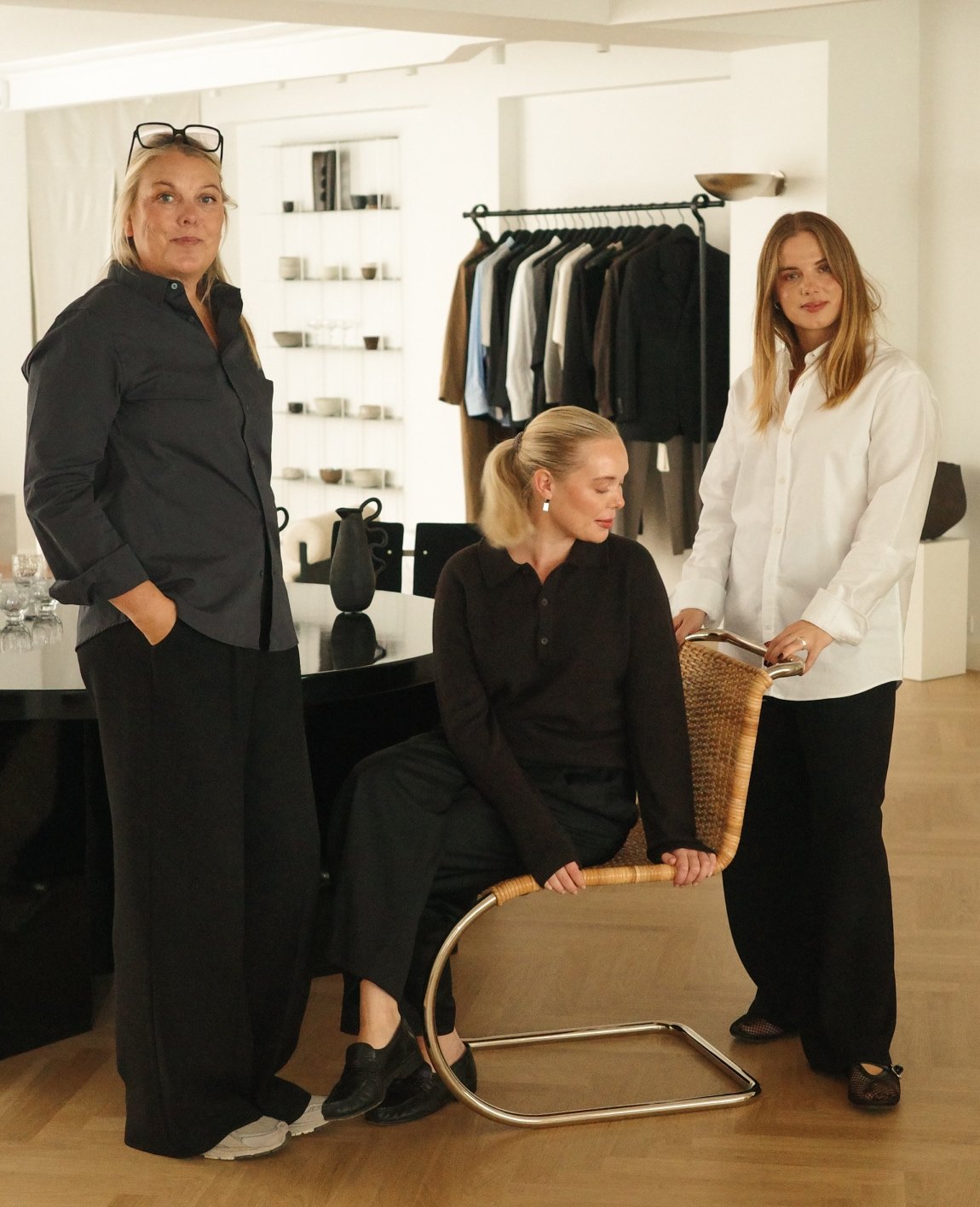
Behind our Fall ‘26 shoot with Tadaima
In conversation with the founders Emma, Hanne, and Josefine Berzant
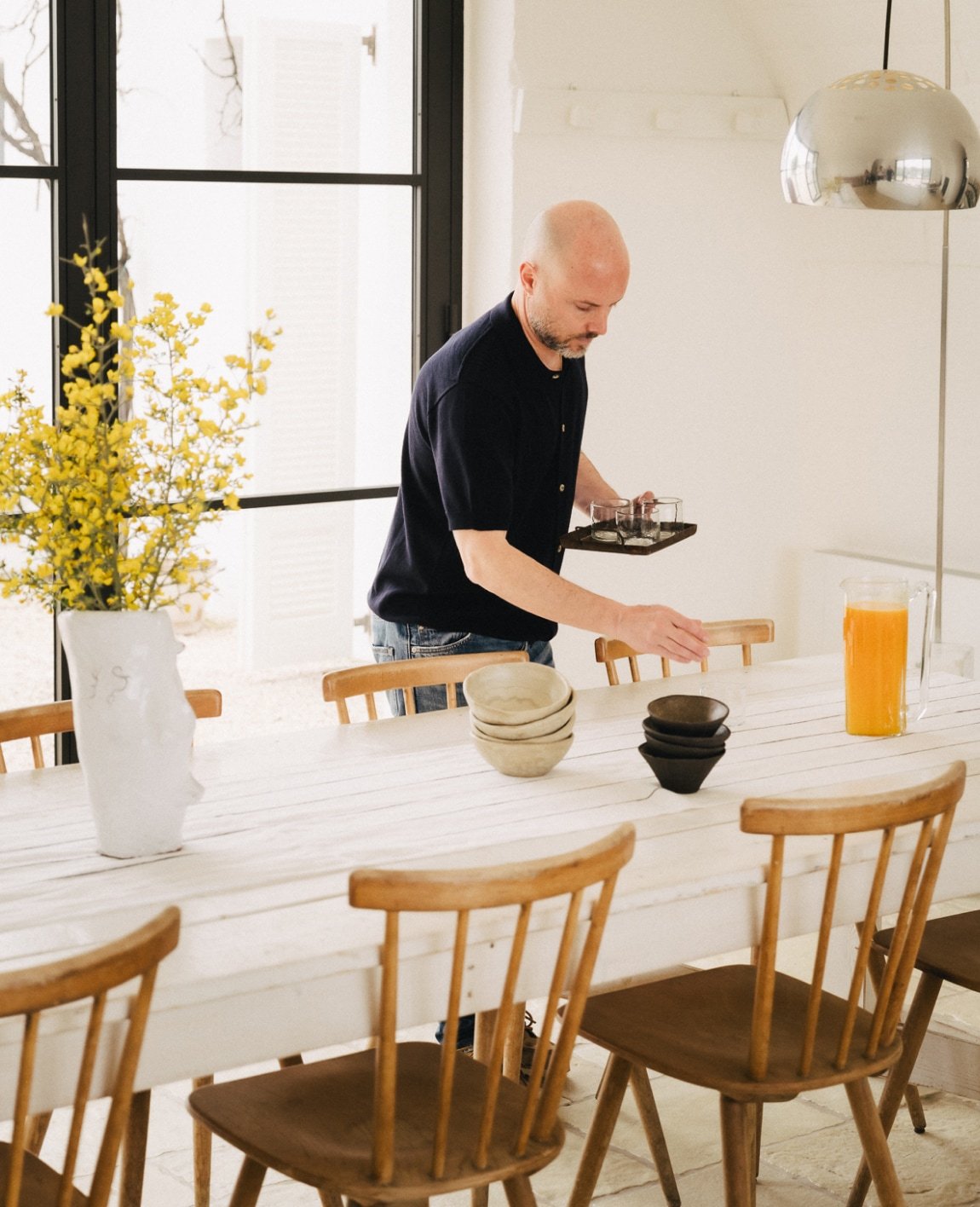
Curating Masseria Moroseta
Founder Carlo Lanzini explores, joined by Giorgia Eugenia Goggi, who helms the in-house Moroseta Kitchen, what it means to invite guests into your universe, the benefits of growing your own produce, and bridging tradition with new ways of thinking.

Behind our SS26 shoot at Guest House No. 16
In conversation with Norm Architects founder Jonas Bjerre-Poulsen